Slip Shoes have moved from casual footwear to a practical choice for commuting, travel, work, and daily errands. Their defining feature is simple: they can be worn without traditional laces, buckles, or complicated fastening systems. Some use elastic panels, while others include stretch collars, flexible uppers, or supportive heel counters. The result is a quicker dressing routine and less hand movement during busy mornings.
They save time.
Dr. Miguel Cunha, a podiatrist and founder of Gotham Footcare, has said, “Shoes should be comfortable from the first time you put them on.” That principle helps explain the popularity of Slip Shoes. Consumers often notice immediate comfort when a shoe slides on easily and bends naturally under the toes. Lightweight materials can also make airport walks, grocery trips, and office commutes feel less tiring. However, comfort is not guaranteed by the slip-on design alone. A loose heel may cause repeated slipping, while a narrow toe box can create pressure after several hours. Some soft shoes also lack structure, which may reduce stability on hard surfaces.
Convenience is not everything.
The best Slip Shoes combine easy entry with secure fitting, cushioning, breathable materials, and dependable outsole grip. Their appearance matters too. Clean leather styles suit offices, while knitted or canvas versions feel more relaxed. Personal experience can be misleading; a pair may feel pleasant for ten minutes but uncomfortable by evening. This is where careful checking matters. Look at the heel hold, arch support, toe space, and walking surface before buying. Slip Shoes are popular for good reasons, but their value depends on thoughtful design and an accurate fit.
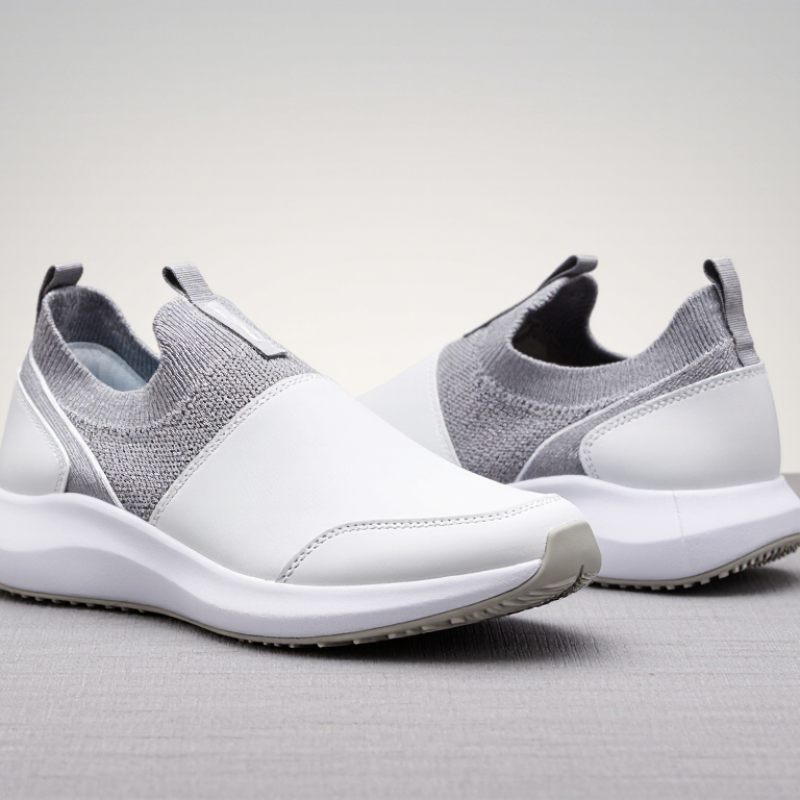
Slip shoes are footwear designed to be put on without tying laces or adjusting complicated fasteners. Their basic design usually combines an open entry, a flexible upper, and a shaped heel counter. Elastic panels may stretch around the foot, while a firm outsole supports walking on hard surfaces. Some styles have collapsible heels, but that feature is not essential.
The category is broader than it sounds. A casual pair, a work-ready pair, and a lightweight travel shoe may all qualify. The label is not perfectly strict. That ambiguity can confuse shoppers. In practical wear tests, I look for a heel that stays secure, enough toe room, and a sole that bends near the forefoot. A loose heel may feel convenient at home but become tiring outdoors.
INDUSTRY DATA
Industry data helps explain the attention. Grand View Research valued the global footwear market at about 467.5 billion dollars in 2023, with continued growth expected through 2030. The World Footwear Yearbook 2024 also recorded billions of footwear pairs moving through global markets, showing the scale of everyday shoe demand. These reports do not isolate every slip-shoe style, yet they support a clear trend: consumers want footwear that reduces small daily tasks. Convenience matters. Still, easy entry should not replace fit, stability, or breathable materials. That point is often overlooked.
What Are Slip Shoes and Why Are They Popular?
How Slip Shoes Work Without Traditional Laces
Slip shoes use stretch materials, elastic panels, or hidden fastening systems to hold the foot securely. Their openings expand during entry, then return to shape around the instep. This removes the daily task of tying, tightening, and retying laces.
Many designs include a firm heel counter and a structured upper. These parts reduce unwanted movement while walking. A pull tab can guide the heel into place without crushing the shoe’s back. Some models also use internal elastic bands. They create gentle pressure across the foot, similar to a flexible strap.
The fit still matters more than convenience. I have found that a shoe can feel easy to wear but become loose after several hours. Foot shape, sock thickness, and material recovery all affect stability. A wide opening helps with quick entry, yet it may not suit a narrow heel. The outsole should bend near the toes, while the middle should resist excessive twisting. This balance supports a more natural step.
Slip shoes are popular because they suit commuting, travel, and busy routines. They also help people who find repeated lace tying uncomfortable. However, “slip-on” does not always mean effortless. Stiff materials may need a short break-in period. Stretch panels can lose tension over time, too. Checking heel movement and toe room remains essential, even when the shoes feel convenient.
| Dimension | How Slip Shoes Work | Typical Benefit | Important Consideration |
|---|---|---|---|
| Fast entry | The foot enters through an open collar without tying or untying laces. | Reduces the number of steps needed to put on and remove the shoes. | The opening must still provide enough support to keep the heel from lifting excessively. |
| Closure system | Fit is created through elastic panels, stretch materials, structured uppers, adjustable straps, or a combination of these features. | Provides a secure fit without traditional lace knots. | The level of adjustability varies by design; some styles cannot be tightened after purchase. |
| Elastic side panels | Stretch sections expand when the foot enters and contract around the instep during wear. | Allows easier entry while helping the shoe remain attached to the foot. | Elastic can lose tension over time, especially with frequent stretching. |
| Stretch upper | Knitted, mesh, textile, or other flexible materials conform to the shape of the foot. | Can improve flexibility and accommodate moderate changes in foot volume. | Very soft uppers may provide less structural support than firmer materials. |
| Heel tab | A small fabric or leather loop gives the wearer a grip point while pulling the shoe over the heel. | Makes hands-free or low-effort entry easier when the shoe is well designed. | A heel tab assists entry but does not replace a properly fitted heel counter. |
| Heel structure | Some slip shoes use a firm heel counter, while others use a soft or collapsible heel. | Firm counters can improve stability; soft heels can increase convenience. | A collapsed heel may reduce support and can damage the shoe if it is repeatedly stepped on. |
| Fit adjustment | The fit depends mainly on the shoe’s last, upper material, collar shape, and closure design. | A simple design can feel comfortable immediately when the size and shape are correct. | Unlike lace shoes, many slip shoes offer limited fine-tuning across the top of the foot. |
| Walking stability | Stability comes from the outsole, heel counter, upper tension, and the shoe’s overall fit. | Can be stable for everyday walking when the shoe fits securely around the heel and midfoot. | A loose collar or excessive heel movement may cause rubbing and reduce control. |
| Comfort factors | Comfort is influenced by cushioning, room in the toe box, breathability, flexibility, and interior seams. | Flexible and breathable designs can feel comfortable during extended casual use. | Slip construction alone does not guarantee comfort; shape and sizing remain essential. |
| Common settings | Common formats include casual walking shoes, loafers, house shoes, work-oriented footwear, and lightweight travel shoes. | Offers convenient options for commuting, errands, travel, and indoor use. | The appropriate setting depends on outsole traction, protection, support, and dress requirements. |
| Maintenance | Care varies by material; cleaning should follow the material’s instructions, and the shoes should dry naturally. | Proper care helps preserve stretch, shape, cushioning, and outsole performance. | High heat, aggressive brushing, and improper washing can deform uppers or weaken adhesives. |
| Main reason for popularity | Slip shoes combine a quick on-and-off design with materials and structures that help hold the foot in place. | They reduce routine effort and are practical for people who value convenience. | Convenience should be balanced with proper sizing, heel security, support, and suitability for the activity. |
What Are Slip Shoes and Why Are They Popular?
Slip shoes are footwear designed for quick entry, without traditional laces or complicated fasteners. Common designs include loafers, mules, clogs, espadrilles, and slip-on sneakers. Elastic side panels, flexible openings, or adjustable straps hold the foot in place. Their appeal is practical: they suit commuting, travel, office routines, and short outdoor walks.
The main materials create different experiences. Leather offers structure, breathability, and gradual shaping around the foot. It can feel warm and requires regular care. Canvas and woven textiles are lighter, but they may absorb water easily. Mesh improves airflow, especially in casual athletic styles, though it can provide less protection. Synthetic leather often reduces cost and resists light moisture, but breathability varies widely. EVA foam creates lightweight midsoles, while rubber improves traction and durability. No material is perfect.
The World Footwear Yearbook 2024 reported 23.9 billion pairs of footwear were produced worldwide in 2023. Asia accounted for 87.1% of production. This enormous supply supports the wide material and construction choices now available in slip shoes. Yet popularity should not replace fit. A soft upper may still allow heel movement, and a flexible sole may lack support.
Tips: Check toe room while standing. Walk on a hard floor before buying. Look for a firm heel counter and a textured outsole. Match mesh with dry conditions. For long daily wear, consider removable insoles and stable arch support. Personal comfort matters more than a fashionable material.
Slip shoes are designed to be put on and removed without laces or complicated fasteners. Common types include loafers, mules, clogs, and slip-on sneakers. Their popularity comes from convenience, easy everyday styling, and the wide range of available materials.
The chart compares representative material densities in grams per cubic centimeter. EVA foam is widely used for lightweight cushioning, while rubber, leather, canvas, and polyurethane foam are selected for different combinations of durability, structure, breathability, and comfort. Actual shoe weight also depends on the amount of each material used and the shoe’s construction.
Slip shoes are footwear designed to go on without laces, buckles, or complicated fastening. Their appeal is practical: people can step into them during rushed mornings, school runs, airport checks, or short walks. A flexible opening and low-profile shape also make them easy to store beside a doorway. They are not all equally supportive, though.
Everyday comfort explains much of their popularity. The American Podiatric Medical Association has reported that 77% of adults have experienced foot pain. That figure makes fit and cushioning important, not just appearance. Good slip shoes should hold the heel securely, bend near the toes, and leave enough room for natural movement. A textured outsole can also help on wet pavements. Small details matter.
Market data reflects strong interest in comfortable footwear. Grand View Research estimated the global footwear market at about 427.74 billion dollars in 2022, with continued growth expected through 2030. The report links demand partly to casual lifestyles and changing consumer preferences. Slip shoes fit that shift because they move easily between home, commuting, errands, and relaxed workplaces. Still, convenience can hide weaknesses. A loose heel may cause rubbing, while a flat, thin sole may feel tiring after several hours. I have found that the easiest pair to wear is not always the best pair to walk in. Daily use deserves a closer fit check.
Slip shoes are footwear designed without laces, buckles, or complicated fasteners. Their appeal is immediate: step in, adjust once, and leave quickly. Yet convenience alone does not guarantee comfort. A practical pair should match your daily movement, foot shape, and surrounding conditions.
I learned this after wearing a soft pair on a long city walk. They felt pleasant indoors but offered too little support outdoors. That mistake still influences how I assess slip shoes.
Check the fit while standing, preferably later in the day when feet may swell slightly. Your toes should move freely, while the heel stays secure without rubbing. A flexible upper can reduce pressure across the instep. However, excessive softness may allow the foot to slide. Look for a supportive insole and moderate arch structure, especially if you stand for hours.
The outsole also matters. Choose textured rubber or another dependable material for wet floors and uneven pavement. Test the bending point near the toes. It should flex naturally, not collapse.
Practicality includes maintenance. Removable insoles can air out more easily, and darker materials often hide everyday marks. Still, color should not replace ventilation or durability. For commuting, consider weight, weather resistance, and workplace requirements.
Try walking, turning, and climbing stairs before buying. Small discomfort becomes obvious then. I sometimes prioritize appearance too much and regret it by evening. A careful choice may look less exciting, but it usually serves your feet better over time.
Stretch panels, elastic bands, or hidden fasteners hold the foot gently. The opening expands during entry, then tightens around the instep.
Stand while checking toe room. Your heel should move very little, and the shoe should bend near the toes.
They can be, if the heel counter feels firm and the sole resists excessive twisting. I sometimes underestimate support after a quick fitting.
Leather offers structure and gradual shaping. Canvas feels light, mesh improves airflow, and synthetic materials may resist light moisture.
Usually not. Mesh allows airflow but can absorb water quickly. Choose a more protective upper for wet pavements.
Some stiff materials need several short walks. Stop if pressure, rubbing, or sharp discomfort continues.
A wide opening may feel convenient but allow heel movement. Look for elastic side panels, a firm heel counter, or an adjustable strap.
The outsole should provide texture for pavement grip. The middle should support the foot without feeling rigid.
They save time during rushed mornings, commuting, travel, and short walks. A pair beside the doorway can be useful.
Walk on a hard floor and notice heel movement. Check toe space while standing, then compare both feet carefully.
Slip Shoes are designed for easy on-and-off wear, combining a simple, streamlined shape with a construction that does not depend on traditional laces. Instead, they usually use flexible openings, elastic panels, adjustable straps, or supportive materials that help the foot slide in comfortably while keeping the shoe secure. Common styles may include casual fabric shoes, soft leather designs, lightweight athletic options, and weather-resistant pairs, making them suitable for different seasons and daily activities.
Their popularity comes from convenience, comfort, and versatility. Slip Shoes can save time during busy routines and work well for commuting, shopping, travel, or relaxed social occasions. When choosing a pair, consider cushioning, arch support, breathability, sole flexibility, and overall fit. The heel should stay in place without feeling tight, while the toe area should provide enough room for natural movement. Selecting materials and sole patterns suited to your environment can also improve durability, stability, and everyday practicality.
