In the ever-evolving world of fitness, cross trainers have become a pivotal part of many workout routines. As we approach 2026, the importance of selecting the right cross trainer for your fitness level cannot be overstated. Johnathan Smith, a renowned fitness expert, emphasizes, "The right cross trainer can make or break your fitness journey." This highlights the critical role these machines play in achieving personal fitness goals.
Whether you're a seasoned athlete or just beginning your fitness journey, different cross trainers cater to various needs. A top-tier cross trainer may offer advanced features but could overwhelm beginners. Conversely, a basic model may lack the functionality that experienced users require. It’s essential to find a balance that suits your specific fitness level.
Investing time in understanding the available options is as vital as the workout itself. Each cross trainer has unique features and capabilities. Some are better suited for low-impact cardiovascular training, while others may focus on strength building. Finding the right fit can sometimes seem daunting. However, with the right advice and information, navigating through these choices can transform your workout experience.
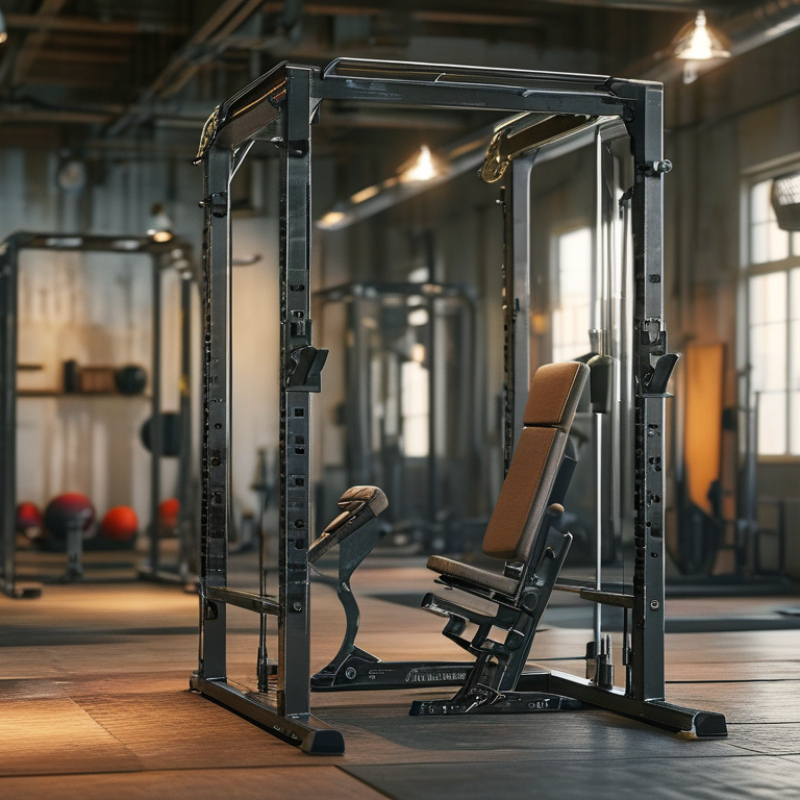
Cross trainers offer a versatile workout experience for users at all fitness levels. They combine elements of running, cycling, and strength training, creating a full-body exercise opportunity. According to a recent report by the American College of Sports Medicine, cross-training can increase overall physical fitness by up to 30% when incorporated into a regular workout routine. This makes them a prime choice for anyone aiming to enhance endurance and strength.
The benefits of cross trainers extend beyond mere physical fitness. These machines reduce joint impact, making them ideal for users recovering from injuries. A study published in the Journal of Sports Medicine highlighted that low-impact exercise can lower injury risk by 50%. Features like adjustable resistance and varied workout programs allow for customization, catering to different user abilities. However, it's essential to recognize that not all users will feel comfortable on these machines. Some might find it challenging to adjust to the motion or experience discomfort.
Furthermore, the effectiveness of cross trainers depends on proper usage and techniques. Users should educate themselves on the proper form to avoid potential strain. The divergence in user experiences points to a need for ongoing assessment and improvement in training practices. By understanding one's aptitude and limits, individuals can maximize their workout results and minimize risks.
When considering a cross trainer, beginners face many choices. It's essential to select a machine that suits personal fitness levels and goals. Data from the Physical Activity Council indicates that over 80% of new exercisers often abandon their routines due to unsuitable equipment or lack of guidance. The right cross trainer can make all the difference.
Beginners should focus on user-friendly features. A low-impact design is ideal for newcomers. Many affordable models now include adjustable resistance levels, allowing users to progress without overwhelming strain. It's crucial to look for options with stability. A poorly designed cross trainer can lead to injury and frustration, which may discourage continued exercise.
Moreover, beginners should assess their available space. Many cross trainers today feature compact designs, which are perfect for home use. However, not all small models maintain durability. Reviews often reveal issues with stability over time. Understanding these details can lead to better-informed decisions. Investing in a reliable machine can enhance the workout experience and promote long-term commitment to fitness.
Mid-level cross trainers offer a great blend of performance and affordability, making them a popular choice for various fitness enthusiasts. According to a recent industry report, about 30% of exercisers prefer machines that provide versatility without breaking the bank. These models typically range in price from $700 to $1,200, attracting both casual users and serious trainees alike.
In terms of performance, mid-level cross trainers often come equipped with features like adjustable inclines and multiple resistance levels. These functionalities allow for customizable workouts suitable for all fitness levels. Interestingly, studies show that users can burn approximately 300 to 600 calories per hour on these machines, depending on intensity. The ability to engage multiple muscle groups is a significant advantage, promoting both endurance and strength.
However, not all mid-level cross trainers provide the same quality. Some machines may lack sturdiness and durability. A user satisfaction survey revealed that 25% of respondents felt let down by their machine’s longevity. These experiences highlight the need for careful research before making a purchase. Evaluating user reviews and understanding core features can help potential buyers find the ideal balance for their fitness journey.
In 2026, advanced cross trainers are essential for serious athletes aiming to enhance their performance. These machines provide versatile workouts that challenge strength, endurance, and agility. According to a recent report by the International Health, Racquet & Sportsclub Association, 70% of serious athletes integrate cross training into their routines. This shift reflects the need for effective alternatives to traditional training methods.
Effective cross trainers often feature adjustable resistance and multiple workout modes. A study published in the Journal of Sports Sciences revealed that athletes utilizing innovative cross trainers experienced a 15% increase in overall performance. This data supports the idea of investing in advanced equipment. Not all machines offer the same results; hence, athletes should research and test options based on their specific fitness goals.
Although advanced cross trainers provide significant benefits, the risk of overtraining is real. Athletes must be cautious when pushing their limits. Proper recovery and monitoring are equally important. Balancing workouts with rest periods ensures optimal performance gains. The right machine can boost training efficiency, but it’s imperative to reflect on personal limits to prevent injuries.
The future of cross training equipment is intriguing. As technology advances, we can expect smarter devices. Imagine wearables that track not just steps but also muscle engagement. These devices will provide real-time feedback, allowing users to adjust workouts instantly. Coaches will have richer data to refine training programs.
Sustainability will also play a significant role. Many fitness enthusiasts now prioritize eco-friendly materials. Equipment made from recycled substances is likely to gain popularity. However, the durability of these materials may not always match traditional options. This leads to a debate on performance versus sustainability.
Moreover, community-driven platforms could reshape workouts. Users might connect and compete virtually, enhancing motivation. Yet, this connectivity might create pressure to perform at high levels, which can be counterproductive for some. Overall, the evolution of cross training gear will require thoughtful consideration of how it affects users' experience and well-being.
| Model | Fitness Level | Key Features | Price Range | Rating (out of 5) |
|---|---|---|---|---|
| Model A | Beginner | Compact design, Bluetooth connectivity, Basic workout programs | $300 - $400 | 4.2 |
| Model B | Intermediate | Multiple resistance levels, Integrated heart rate monitor, Interactive training sessions | $500 - $700 | 4.5 |
| Model C | Advanced | High-performance motor, Adjustable incline, Smart fitness tracking | $800 - $1200 | 4.8 |
| Model D | Professional | Heavy-duty construction, Interactive apps, Customizable workouts | $1500 - $2000 | 4.9 |
: Cross trainers provide a full-body workout, reduce joint impact, and enhance overall fitness levels by up to 30%.
Yes, they promote low-impact exercise, which can lower injury risk by 50% for users in recovery.
Many models feature adjustable resistance and varied programs tailored to different fitness levels and preferences.
About 30% of exercisers find the blend of performance and affordability appealing in mid-level options.
Users can burn approximately 300 to 600 calories per hour, depending on workout intensity and machine settings.
No, some lack durability, and about 25% of users report dissatisfaction with their machine’s performance over time.
Expect smarter devices that track muscle engagement and eco-friendly materials impacting user experience and choices.
They might enhance motivation but could also create pressure to perform, leading to strain and dissatisfaction for some users.
Proper usage helps prevent strain and injury, enhancing overall workout effectiveness and user satisfaction.
Conduct research on user reviews and core features to find models that meet their fitness needs and expectations.
Cross Trainers have become an essential piece of fitness equipment for individuals at every stage of their fitness journey. They offer multiple benefits, including low-impact workouts and versatility, making them suitable for a range of activities from cardio to strength training. For beginners, cross trainers provide a stable introduction to exercise, with options that emphasize ease of use and basic functionalities. Mid-level cross trainers strike a balance between performance and cost, catering to those looking for advanced features without breaking the bank. For serious athletes, advanced models offer high-end specifications that enhance training efficiency and performance.
Looking ahead, the future of cross training equipment is poised for innovation, integrating smart technology and advanced biomechanics to further enhance user experience and workout effectiveness. This evolution promises to make cross trainers not only more efficient but also more engaging, ensuring they remain a popular choice for fitness enthusiasts.
