China Top 10 Hiking Sneakers Suppliers?

Time:2026-10-26 Author:Ethan
0%

The global demand for Hiking Sneakers is moving beyond casual trail fashion. Buyers now expect lighter midsoles, stronger toe protection, reliable grip, and responsible materials. Grand View Research estimated the global hiking footwear market at more than USD 20 billion in 2023. Its forecast also indicates steady growth through 2030. The Outdoor Industry Association reported nearly 59 million hiking participants in the United States during 2023. These figures suggest a larger opportunity for capable Chinese suppliers, but market size alone proves little.

This China Top 10 Hiking Sneakers Suppliers? guide examines manufacturers through practical evidence. We consider factory experience, material traceability, outsole testing, production capacity, export records, and private-label support. Supplier claims require careful checking. Some websites display impressive certifications, yet provide limited test documentation. That is worth questioning. Product samples can reveal more than polished brochures.

Podiatrist and human-movement specialist Dr. Emily Splichal has repeatedly emphasized, “Your feet are your foundation.” Her point applies directly to outdoor footwear. A durable upper cannot compensate for poor fit or unstable cushioning. We therefore examine heel hold, forefoot space, wet-surface traction, flex behavior, and long-walk comfort. Rubber compounds matter on loose gravel. Stitching matters near the toe rand. So does consistent sizing.

No ranking is perfect. Supplier strengths change with order volume, season, and communication quality. This overview offers a structured starting point, not a substitute for independent audits or wear testing. The best partner should perform reliably before, during, and after production.
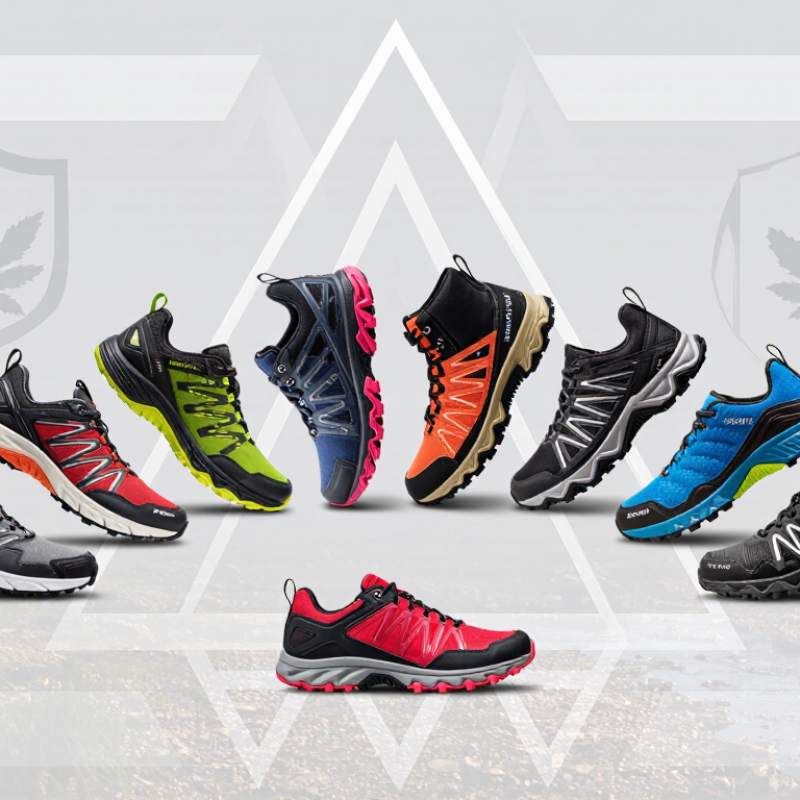
China Top 10 Hiking Sneakers Suppliers?

What Are Hiking Sneakers and Who Needs Them?

Hiking sneakers are lightweight trail shoes designed for walking on uneven ground. They combine a flexible upper with a grippy outsole and a more protective toe area. Compared with ordinary running shoes, they usually offer better traction, stronger side support, and greater resistance to abrasion. However, they are not miniature mountain boots. Their ankle coverage and protection remain limited.

They suit day hikers, travelers, park walkers, and beginners exploring maintained trails. People carrying a small backpack may prefer their lighter feel. They can also help commuters who walk across wet paths or rough city edges. I have found that grip matters most on loose gravel, damp roots, and steep stone steps. A firm heel counter reduces unwanted movement, while a wide toe box allows natural swelling during long walks. Small details matter.

Fit should match the actual terrain and weather. Mesh uppers breathe well, but they offer less protection in cold rain. Waterproof membranes keep feet drier, yet they may feel warmer and slower to dry afterward. This trade-off is easy to underestimate. I once chose a soft, comfortable pair for a rocky route and regretted the weak underfoot protection. Sneakers also cannot replace boots on snow, deep mud, or technical alpine trails. Buyers should inspect outsole rubber, stitching, cushioning, and return policies before choosing a supplier. Supplier claims still need practical testing.

Why Choose Chinese Hiking Sneaker Suppliers?

Why Choose Chinese Hiking Sneaker Suppliers?

Chinese hiking sneaker suppliers offer more than competitive pricing. The World Footwear Yearbook 2024 reported that China produced about 12.2 billion pairs of shoes in 2023. This represented 55.5% of global footwear production. Such scale supports mature material sourcing, outsole molding, stitching, and packaging networks.

Hiking footwear requires careful testing. Suppliers can develop rubber compounds, breathable meshes, reinforced toe caps, and layered midsoles within one manufacturing ecosystem. China’s dense industrial clusters also make sample revisions faster. A buyer can compare grip patterns beside a testing machine, not only through email photographs. The World Footwear Yearbook 2024 also recorded China’s share of global footwear exports at approximately 63.3%. That export experience helps suppliers understand documentation, inspection routines, and overseas delivery requirements.

The risks remain real. Factory capability varies widely. A polished sample may hide weak bonding or inconsistent sizing. Buyers should request material certificates, abrasion results, flex tests, and production-line photographs. Independent inspections add cost, but they can expose defects before shipment. The International Organization for Standardization provides useful footwear testing references, though not every supplier applies them consistently. Price alone is a poor filter. A reliable partner should explain its process clearly, accept measurable quality targets, and reproduce the approved sample across bulk production. That discipline matters on wet rocks.

How to Evaluate Hiking Sneaker Manufacturers in China?

Evaluating hiking sneaker manufacturers in China requires more than comparing quotations. Allied Market Research valued the global hiking footwear market at about US$19.3 billion in 2022, with continued growth expected through 2032. That demand attracts capable factories and inexperienced traders. Confirm whether the supplier owns production lines, controls material sourcing, and can provide recent audit records.

Request samples from the same production batch, not showroom pairs. Inspect stitching density, heel counter strength, outsole bonding, and drainage around the tongue. Ask for test results based on ISO 20344 methods, including slip resistance, flexing, abrasion, and water penetration. A factory claiming “waterproof” should specify test pressure and duration. Vague words are warning signs.

Check quality consistency through a small pilot order. Measure five pairs from different cartons. Look for uneven toe caps, glue marks, or mismatched hardness. Bureau Veritas reported that factory quality systems and supplier controls strongly affect product reliability across global sourcing programs. Still, paperwork can mislead. I once treated a polished audit file as proof of stable production; that assumption was weak. Review corrective-action records, worker training, inspection checkpoints, and production capacity during peak months. Ask how rejected pairs are isolated. A serious manufacturer should answer clearly, even when the answer is inconvenient.

China’s Top 10 Hiking Sneaker Suppliers

China’s Top 10 Hiking Sneaker Suppliers

China’s top hiking sneaker suppliers usually serve different needs, from private-label projects to large outdoor retailers. A reliable supplier should show factory experience, material knowledge, and stable production records. Ask for evidence of waterproof testing, outsole grip, stitching strength, and size consistency. Product samples matter more than polished catalog photos.

During supplier visits or video inspections, examine cutting rooms, assembly lines, and finished-goods storage. Check whether workers follow documented quality procedures. Request test reports for abrasion, flexing, and slip resistance from recognized laboratories. Confirm production capacity before signing an order. A factory may produce excellent samples but struggle with large volumes. That gap is easy to miss.

Tips: Compare at least three suppliers using the same technical brief. Specify upper materials, lining, outsole rubber, weight, and packaging. Ask for a pre-production sample and written correction plan. Check export experience and communication speed. Small details matter.

My own evaluation would include wearing samples on wet pavement, loose gravel, and steep paths. Comfort can change after two hours. I would also inspect heel movement and toe protection. A mistake I once underestimated was ventilation; waterproof shoes can feel hot in mild weather. Suppliers should welcome practical criticism, although some improvements may increase cost or lead time.

China Top 10 Hiking Sneakers Suppliers? - China’s Top 10 Hiking Sneaker Suppliers
Supplier Profile Primary Product Focus Upper Construction Outsole Configuration Water-Resistance Options Common Compliance Documents Typical MOQ Sample Lead Time Bulk Lead Time Typical Export Markets
Supplier 01 Lightweight hiking sneakers for day hikes and travel Engineered meshSynthetic overlays Rubber outsole with multi-directional lugs, approximately 3.5–4.5 mm DWR-treated upper; gusseted tongue option Material test reports; REACH-related documentation; factory quality records 300–500 pairs per color 7–12 days 35–50 days North America, Europe, Southeast Asia
Supplier 02 Water-resistant hiking shoes for wet and mixed terrain Synthetic leatherBreathable mesh Carbon-rubber heel sections with climbing-zone lugs Water-resistant membrane construction; sealed collar option Upper and outsole test reports; restricted-substance declarations 500–800 pairs per color 10–15 days 40–55 days Europe, Canada, Australia, Japan
Supplier 03 Trail-oriented hiking sneakers with enhanced grip Ripstop textileTPU protection High-abrasion rubber outsole with 4–5 mm trail lugs Water-repellent treatment; water-resistant lining option Wear-resistance tests; colorfastness reports; social compliance records 300–600 pairs per color 8–14 days 40–60 days United States, United Kingdom, Germany, South Korea
Supplier 04 Comfort-focused hiking sneakers for casual outdoor use Knit textileMicrofiber reinforcement Lightweight EVA midsole with rubber traction pods Surface water-repellent finish REACH-related documentation; abrasion and flexing test results 200–400 pairs per color 7–10 days 30–45 days North America, Western Europe, Middle East
Supplier 05 Rugged hiking sneakers for rocky and uneven trails Full synthetic leatherProtective toe cap Rubber outsole with heel brake and climbing rubber zone Water-resistant lining; reinforced seam option Bonding-strength tests; flexing tests; chemical safety documentation 500–1,000 pairs per color 12–18 days 45–65 days Europe, North America, South America
Supplier 06 Low-cut hiking sneakers for fast hiking and urban trails Recycled polyester meshTPU film Flexible rubber outsole with shallow multi-surface lugs Fluorine-free water-repellent treatment option Recycled-content declarations; colorfastness reports; REACH-related files 300–500 pairs per color 10–14 days 35–50 days Europe, Australia, Japan, South Korea
Supplier 07 Wide-fit hiking sneakers with additional forefoot volume MeshSynthetic suede Dual-density rubber outsole with reinforced toe and heel Water-resistant upper; moisture-managing lining Dimensional inspection records; flexing and slip-resistance tests 300–600 pairs per color 8–14 days 40–55 days United States, Canada, Europe
Supplier 08 Value-oriented hiking sneakers for outdoor retail programs Polyester meshPU synthetic leather Rubber outsole with standard 3–4 mm lugs Basic water-repellent treatment In-house inspection reports; material composition records; carton testing 800–1,500 pairs per color 10–16 days 35–50 days Southeast Asia, Africa, Latin America, Middle East
Supplier 09 Technical hiking sneakers with cushioning and stability features Engineered meshMolded support panels Rubber outsole with EVA cushioning and stabilizing shank Membrane-ready construction; water-resistant tongue option Compression-set tests; outsole abrasion tests; chemical safety reports 500–800 pairs per color 12–18 days 45–60 days North America, Europe, Australia
Supplier 10 Custom-development hiking sneakers for private-label collections Custom textile combinationsReinforced synthetic panels Custom rubber compound and lug geometry based on approved tooling Water-resistant membrane or treated textile options Third-party inspection reports; product safety files; packaging compliance records 300–1,000 pairs per color, depending on tooling 14–21 days 50–75 days Global private-label and outdoor retail markets

Note: The specifications shown are representative manufacturing ranges for China-based hiking sneaker suppliers. Actual minimum order quantities, testing documents, material availability, sample timing, and production schedules should be confirmed directly during supplier qualification.

How to Select the Right Supplier for Your Business

China Top 10 Hiking Sneakers Suppliers?

How to Select the Right Supplier for Your Business

China remains a major footwear sourcing base. The World Footwear Yearbook 2024 reports that Asia produced about 87% of global footwear in 2023. However, production scale does not guarantee suitable hiking sneakers. Your shortlist should include factories with documented experience in outdoor footwear, stable material sourcing, and export quality controls.

Request factory evidence, not attractive samples alone. Review test records for outsole abrasion, flex resistance, bonding strength, and wet-surface grip. ISO 20344 provides recognized footwear testing methods, although hiking sneakers may require additional performance checks. Ask for production photos, inspection procedures, and recent audit reports. A supplier should explain its process clearly. Vague answers are warning signs.

Check minimum order quantities, lead times, packaging, and tooling charges before negotiation. Independent inspection can reduce costly surprises. Intertek’s Global Consumer Products Survey has repeatedly identified quality consistency and supply-chain visibility as major sourcing concerns. I would also test several sizes after repeated outdoor use. One sample may look excellent but fail after muddy trails and temperature changes. My own selection mistake would be trusting a polished showroom too quickly. Price matters, but replacement rates, delivery delays, and customer complaints often cost more. A reliable supplier welcomes small pilot orders and accepts reasonable corrective actions.

FAQS

What are hiking sneakers?

Hiking sneakers are lightweight trail shoes for uneven ground. They combine flexible uppers, grippy outsoles, and reinforced toe areas. They are not small mountain boots.

Who should wear hiking sneakers?

They suit day hikers, travelers, park walkers, and beginners on maintained trails. They also work for people carrying small backpacks. Casual trail use.

How do hiking sneakers differ from running shoes?

Hiking sneakers usually provide stronger traction, side support, and abrasion resistance. Their outsoles grip loose gravel, damp roots, and stone steps better.

Are hiking sneakers suitable for difficult mountain routes?

Usually not. Their ankle coverage and underfoot protection remain limited. Snow, deep mud, and technical alpine trails require more protective footwear.

How should hiking sneakers fit?

A firm heel counter should reduce unwanted movement. A wide toe box allows natural swelling during long walks. Check the fit after two hours.

Should I choose mesh or waterproof materials?

Mesh improves airflow but offers less protection during cold rain. Waterproof membranes keep feet drier but can feel warmer and dry slowly afterward. This trade-off is easy to underestimate.

What should buyers inspect before choosing a supplier?

Review outsole rubber, stitching, cushioning, size consistency, and factory experience. Request samples and test reports for abrasion, flexing, and slip resistance. Catalog photos are not enough.

How can hiking sneaker samples be tested?

Wear them on wet pavement, loose gravel, and steep paths. Check heel movement, toe protection, ventilation, and comfort after extended walking. My judgment was imperfect once; I underestimated heat buildup in waterproof shoes.

Conclusion

Hiking Sneakers are lightweight, supportive outdoor shoes designed for day hikes, trail walks, travel, and other active activities that require comfort, grip, and reliable protection. This article explains who can benefit from them and why businesses often consider Chinese suppliers, including competitive pricing, flexible production capacity, broad material options, and experience with customized footwear. It also highlights the importance of evaluating manufacturers through product quality, technical capability, factory standards, communication, order flexibility, lead times, and quality-control procedures.

The guide presents China’s top 10 Hiking Sneakers suppliers as a practical starting point for sourcing research, without focusing only on cost. It encourages buyers to compare construction, outsole performance, waterproofing, fit, durability, customization services, certifications, and after-sales support. By using a clear evaluation process and matching each supplier’s strengths with their target market, order volume, budget, and product requirements, businesses can make a more informed and dependable purchasing decision.

Ethan

Ethan

Ethan is a seasoned marketing professional with a deep expertise in our company's innovative product line. With a passion for sharing knowledge and insights, he takes the lead in regularly updating our corporate blog, where he explores industry trends, product features, and effective marketing......