When it comes to finding the right waterproof work boots, expert advice can make all the difference. John McKenzie, a footwear specialist with over 15 years of experience, emphasizes, “The right boots balance comfort, safety, and waterproof features.” Waterproof work boots are essential for protecting your feet in various conditions, from wet job sites to unpredictable weather.
Many professionals overlook critical features when choosing waterproof work boots. For instance, the materials and construction can greatly impact durability and comfort. A common mistake is assuming that all brands offer the same level of protection. Not all waterproof ratings are created equal, and what works for one person might not suit another.
Selecting the best waterproof work boots requires careful consideration. Features like breathability, insulation, and tread patterns are also important. Each detail contributes to your overall comfort and safety at work. Take time to research and test different options. Doing so can prevent discomfort and injuries on the job.
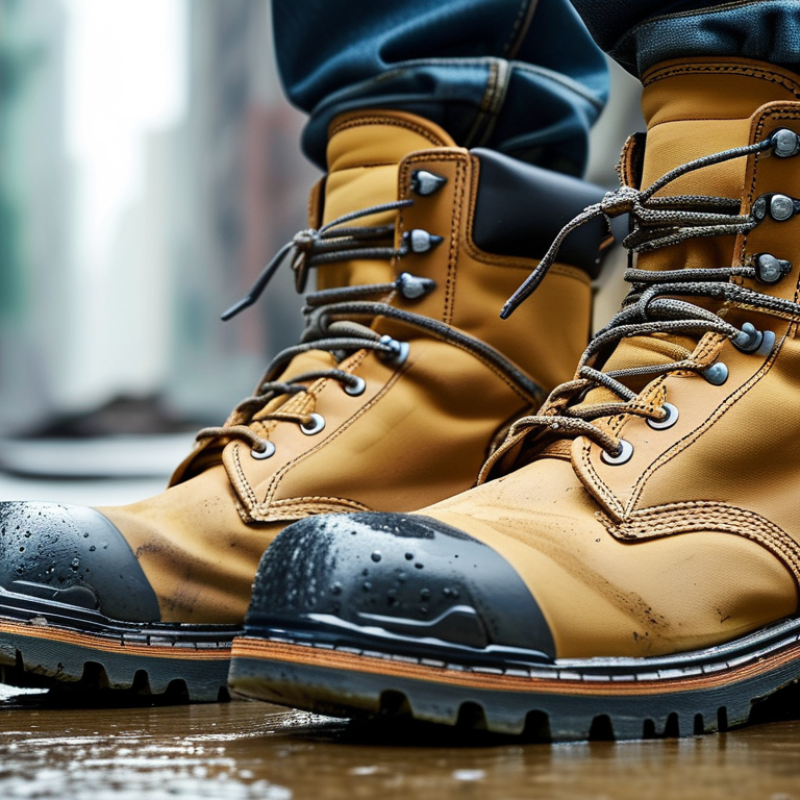
Understanding the Importance of Waterproof Work Boots in Various Industries
Choosing the right waterproof work boots is crucial in many industries. Construction workers, for instance, face wet conditions daily. Waterproof boots help keep feet dry and healthy. Wet feet can lead to blisters, infections, and discomfort. These problems can result in lower productivity and even injuries.
When selecting waterproof work boots, consider the materials used. High-quality leather or synthetic options often ensure better water resistance. Look for boots with sealed seams. These features can prevent water from entering. A slip-resistant sole is equally important, especially on slippery surfaces.
Reflect on the fit. Ill-fitting boots can cause pain during long working hours. Ensure there’s enough room for your toes. Remember that comfort plays a key role in your performance. Evaluate real user reviews. Insights from other workers can guide your choice significantly. Investing time in research can lead to a better experience on the job.
Key Features to Look for in Quality Waterproof Work Boots
When choosing waterproof work boots, focus on essential features that ensure durability and comfort. Look for materials that provide a solid barrier against water. Leather is often preferred due to its natural waterproof qualities and durability. However, synthetic materials can also offer good options. Ensure the boots have sealed seams. This prevents water from leaking in through stitching. A waterproof membrane adds another layer of protection.
Consider the sole's traction. A slip-resistant outsole is crucial, especially in wet conditions. Boots with deep treads provide better grip on slippery surfaces. Fit is also important. Choose a pair that allows for some movement but does not slip off. Ill-fitting boots can lead to blisters and discomfort. Lacing systems, such as those with hooks, can help achieve a snug fit.
Breathability is another key feature. While waterproofing is important, your feet also need to stay dry from sweat. Boots with moisture-wicking liners can help regulate temperature. Look for removable insoles; they can be replaced when worn out. Lastly, reflect on your specific work environment. The type of tasks you perform may influence your choice. Overall, a thoughtful approach to selecting waterproof boots can lead to better work performance and comfort.
Different Types of Waterproofing Technologies Explained
When selecting waterproof work boots, understanding the different waterproofing technologies is crucial. Many boots now use membranes that are both breathable and waterproof. These membranes allow sweat to escape while keeping water out. This feature is essential for comfort during long working hours. Layers of rubber or synthetic materials can also provide waterproof capabilities. However, these may not offer breathability, leading to potential discomfort.
Another popular option is treatment with waterproof coatings. These coatings can repel water and are often less expensive than high-tech membranes. However, the effectiveness of these treatments varies. Over time, they can wear off, requiring reapplication. Consider how often you will wear the boots and what conditions you will face. If you expect a lot of exposure to wet environments, investing in higher-quality options may be worthwhile. Waterproofing is an important factor, but it is not the only one to consider. Make sure to evaluate comfort, support, and fit as well.
Tips for Finding the Right Fit and Comfort in Work Boots
Finding the right fit and comfort in waterproof work boots is crucial for anyone who spends long hours on their feet. A recent report by the American Podiatric Medical Association indicates that almost 80% of Americans experience foot pain at some point. Thus, selecting proper footwear can significantly mitigate discomfort. When choosing work boots, consider the toe space. Your toes should not feel pinched. Aim for about a half-inch of room at the front. This small detail can lead to increased comfort during long shifts.
Additionally, the boot's arch support is vital. According to a study published in the Journal of Occupational Health, proper arch support can reduce fatigue by up to 30%. Look for boots that provide support specific to your foot type. If your arch collapses easily, seek boots with extra stability. Conversely, if you have high arches, cushioning is your ally. Both comfort and fit are subjective, meaning what works for one person might not work for another. This variability highlights the importance of trying different options before making a final decision.
Pay attention to weight as well. Heavier boots can lead to more exhaustion. Consider lighter materials that still offer necessary waterproofing. Remember, even the best waterproof work boots won’t help if they aren’t comfortable. A proper fit can prevent blisters and long-term foot issues. Always test boots on various surfaces to understand their grip and feel. Comfort is a personal journey. The nuances of fit can transform your experience on the job.
Maintenance and Care for Prolonging the Life of Waterproof Work Boots
Waterproof work boots are essential for anyone working in wet conditions. To ensure they last, proper maintenance and care are crucial. Start by regularly cleaning your boots. Dirt and mud can damage the waterproof material. Use a soft brush or cloth to wipe them down. After cleaning, allow them to air dry completely, away from direct heat sources which can cause cracks.
Conditioning the leather is another vital step. Apply a good quality waterproofing treatment to enhance protection. This not only keeps moisture out but also helps maintain flexibility. Inspect your boots frequently for any signs of wear. This includes checking for cracks or separation at the seams. If any damage is found, it’s best to address it immediately.
For storage, keep your boots in a cool, dry place. Avoid stacking heavy items on them, as this can deform their shape. Reflect on your use. If your work involves tougher tasks, check them more often. Regular attention can substantially extend the life of your waterproof boots and keep your feet dry.
Conclusion
Waterproof work boots are essential in various industries, providing protection and comfort in wet and challenging conditions. Understanding the importance of these boots helps workers stay safe and productive. When selecting waterproof work boots, one should consider key features such as durable materials, breathable linings, and reliable waterproofing technologies, ensuring optimal performance in harsh environments.
To achieve the best fit and comfort, it's crucial to try on several styles and pay attention to support and cushioning. Proper maintenance and care are equally important for prolonging the lifespan of waterproof work boots; regular cleaning and timely inspections will keep them functioning effectively. By following these guidelines, you can ensure that your waterproof work boots serve you well in any demanding work situation.

