When it comes to winter hiking, finding the right footwear is essential. Winter Hiking Boots play a crucial role in ensuring comfort and safety on the trails. Choosing the perfect pair can be daunting. Many hikers find themselves overwhelmed by options. With so many brands and styles, how do you select the best?
These boots must provide warmth and support. Insulation and waterproofing are critical features. A good grip on icy surfaces is equally important. Hikers often underestimate traction, which can lead to accidents. A well-fitting boot not only enhances comfort but also helps prevent injuries.
Consideration of personal experiences can guide this decision. What worked for others may not work for you. It’s essential to read reviews and test boots in-store. Investing time in this process can enhance your winter hiking adventures. Make informed choices, and you'll appreciate the value of quality Winter Hiking Boots on your journeys.
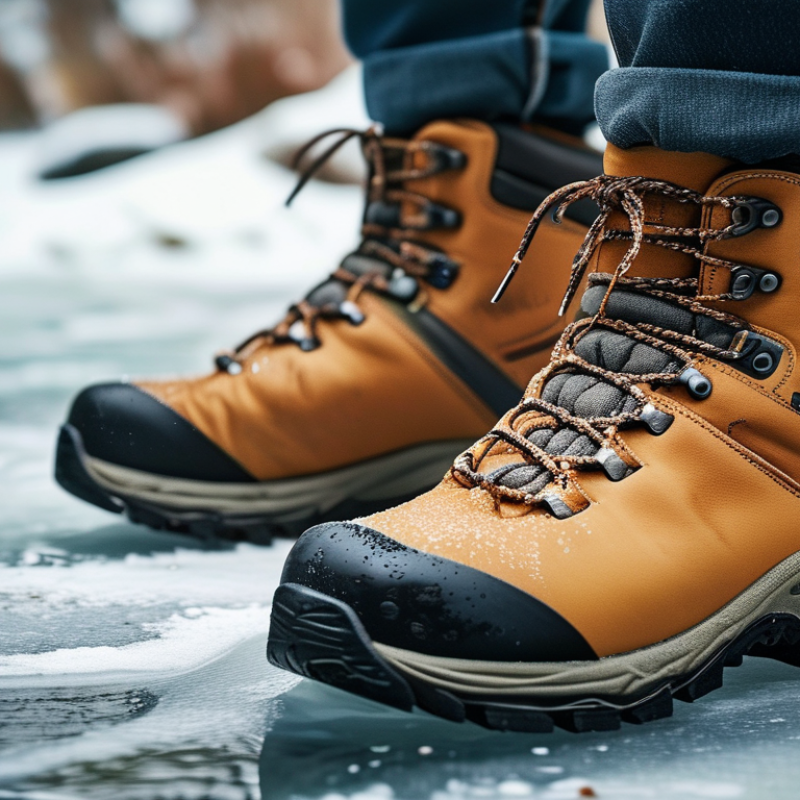
When selecting winter hiking boots, the right fit is crucial. A study highlighted that nearly 70% of hikers experience foot discomfort during long treks. This discomfort often stems from boots that are too tight or too loose. It’s essential to try on several pairs, focusing on how they feel during movement. Opt for boots that offer a snug fit without pinching. Foot shape varies widely, so what works for one person may not suit another.
Another key feature is insulation. Look for boots with quality thermal protection. Research indicates that proper insulation can keep feet warm even in temperatures as low as -30 degrees Fahrenheit. Many boots use materials like Thinsulate or similar insulation. Additionally, the sole of the boot must provide adequate traction. In icy conditions, boots with a Vibram sole or similar technologies reduce the risk of slips. A design that supports ankle stability is also vital. Some hikers overlook this but may later regret it during rough terrain.
Water resistance is often underestimated. Wet feet can lead to blisters and frostbite. A waterproof membrane can be a game-changer in winter conditions. However, materials can vary. Not every waterproof boot offers the same level of breathability. This can lead to sweaty feet, negating warmth. Finally, always consider weight. Heavy boots may tire you quickly. Finding the balance between protection and lightweight comfort is important.
When selecting winter hiking boots, insulation plays a vital role. The thermal protection ratings indicate how well the boots keep your feet warm. Higher ratings typically suggest better insulation, but it’s not the only factor to consider. Remember, even the best insulation can fail if the fit is off. Boots should feel snug yet comfortable, allowing for some room to wiggle your toes.
Consider the environment you’ll encounter. If you hike in extremely cold regions frequently, opt for boots with high thermal ratings. However, too much insulation can lead to overheating during active use. Finding the right balance is key. A breathable boot with adequate warmth may be all you need for moderate conditions.
Tips for selecting insulated boots: Look for materials like Thinsulate or Gore-Tex. These offer both warmth and breathability. Always try boots with the socks you plan to wear. This simple step ensures an accurate fit. Test them by bending down and flexing your foot. If they pinch or feel tight, reconsider your choice. Remember, comfort is as crucial as thermal protection.
| Boot Model | Insulation Type | Thermal Protection Rating | Weight (per pair) | Water Resistance |
|---|---|---|---|---|
| Model A | Thinsulate | 400 grams | 3 lbs | Yes |
| Model B | Primaloft | 200 grams | 2.5 lbs | Yes |
| Model C | Wool Blend | 300 grams | 3.2 lbs | Yes |
| Model D | Synthetic Insulation | 600 grams | 4 lbs | Yes |
| Model E | Down Insulation | 500 grams | 3.5 lbs | Yes |
When evaluating waterproofing technologies for winter hiking boots, you have several options. The most common are waterproof membranes. These membranes create a barrier against moisture. They tend to be lightweight and flexible. However, they can sometimes lack durability, especially in rugged terrain.
Another option is water-resistant treatments. These treatments coat the outer layer of the boot. They can repel water effectively but often require reapplication over time. This means you will need to maintain them, which can be a hassle. Consider the environment where you hike. Wet conditions may require more robust waterproofing.
Some boots utilize blended technologies. These combine membranes with oil-treated leather for added durability. While this sounds great, it may not be entirely effective under heavy rain. You might notice your feet getting wet if you push the limits. Ultimately, choosing the right waterproofing depends on your hiking style. Consider trial and error; it’s essential to find what suits your needs best.
When choosing winter hiking boots, evaluating outsole rubber compounds is crucial. Different rubber types offer varying levels of traction. A soft rubber typically provides better grip on wet and icy surfaces, while firmer compounds may be more durable. According to studies by the American Journal of Sports Science, the right outsole can reduce slip rates by up to 30%.
In cold conditions, rubber can become stiff. This stiffness may impact traction negatively. Research from the Journal of Outdoor Safety suggests that boots with specialized rubber formulations maintain flexibility in lower temperatures. It’s essential to choose boots tested for cold weather. Effective grip is vital for safety on slippery trails, especially during winter.
Many hikers overlook the importance of tread pattern. Deeper lugs on outsoles enhance grip on uneven terrains. They also improve stability. A study from the International Hiking Federation reveals that boots with larger lugs have 15% better traction on snow and ice. However, some hikers prioritize style over functionality, which can compromise their safety. A balance of comfort and performance is key for safe winter adventures.
When selecting winter hiking boots, fit matters significantly. A report from the Outdoor Industry Association indicates that 70% of outdoor enthusiasts suffer from foot discomfort due to improperly fitting footwear. When boots are too tight, they can cause blisters and limit circulation. Conversely, boots that are too loose can lead to instability on uneven terrain, increasing the risk of injuries.
The right fit involves measuring your foot accurately. An estimated 60% of people wear the wrong shoe size. This discrepancy affects comfort and safety during hikes. To ensure a proper fit, try on boots at the end of the day when your feet are at their largest. Ensure there’s enough room for your toes to wiggle but not so much that your heel slips.
Consider the type of socks you'll wear. Thick winter socks may require going up a size. Many hikers have learned the hard way that a poor fit can ruin an excursion. Every step should feel secure yet comfortable, balancing protection from the elements with adaptability to movement. Keep in mind the terrain you'll traverse. A boot that fits well on flat surfaces may not deliver the same comfort on steep inclines.
: Fit is crucial because improper sizes can cause discomfort. About 70% of hikers face foot issues due to poor fit.
Look for quality insulation like Thinsulate. Proper insulation keeps your feet warm in temperatures as low as -30°F.
Choose boots with quality soles, like Vibram, to enhance traction in icy conditions. This reduces the risk of falling.
Wet feet can cause blisters or frostbite. A good waterproof membrane helps keep feet dry in harsh conditions.
Consider waterproof membranes or water-resistant treatments. Each has benefits, but durability varies, especially in heavy rain.
Try on boots at the end of the day. Your feet swell during the day, providing a truer fit for comfort and safety.
Poorly fitting boots can lead to blisters or instability. This increases injury risk on uneven terrain during hikes.
Yes, thick winter socks may require a larger boot size for a comfortable fit, which is often overlooked by hikers.
Heavy boots can tire you out quickly. Balance is essential between protection and lightweight comfort for longer treks.
No, even waterproof boots can let water in during heavy rain or long exposure. It's critical to assess your hiking environment.
When choosing winter hiking boots, it is crucial to assess several key features to ensure both comfort and safety during your outdoor adventures. First, insulation is essential for thermal protection; understanding the ratings can help you select boots that will keep your feet warm in cold conditions. Additionally, evaluating water resistance is vital—different waterproofing technologies can significantly affect your hiking experience, especially in snowy or wet environments.
Traction and grip play a critical role in maintaining stability on slippery or uneven terrain, so analyzing the outsole rubber compounds is important. Finally, proper sizing and fit cannot be overlooked, as they directly impact your comfort and safety in hikes. By considering these factors, you can confidently select the best winter hiking boots that will meet your needs in challenging winter landscapes.
