Choosing the right Athletics Spikes is essential for every athlete aiming for top performance. Renowned coach and sports expert Dr. Lisa Reynolds emphasizes, “The right spikes can dramatically impact speed and agility on the track.” With various options available, it can be overwhelming to determine which Athletics Spikes suit your needs best.
Athletics Spikes come in varying designs and styles. Each type serves a different purpose, depending on the athlete’s discipline. Sprints, long-distance running, and jumping events all require specific features for optimal performance. Tracking down the ideal pair can be a complex task. Athletes often find themselves torn between comfort and functionality.
Moreover, the wrong choice can lead to injuries or hinder performance. Striking a balance is vital but often challenging. Many athletes overlook important factors like track surface or weather conditions. Taking these details into account is crucial for selecting the best Athletics Spikes. Reflecting on personal experiences promotes better decisions for future competitions.
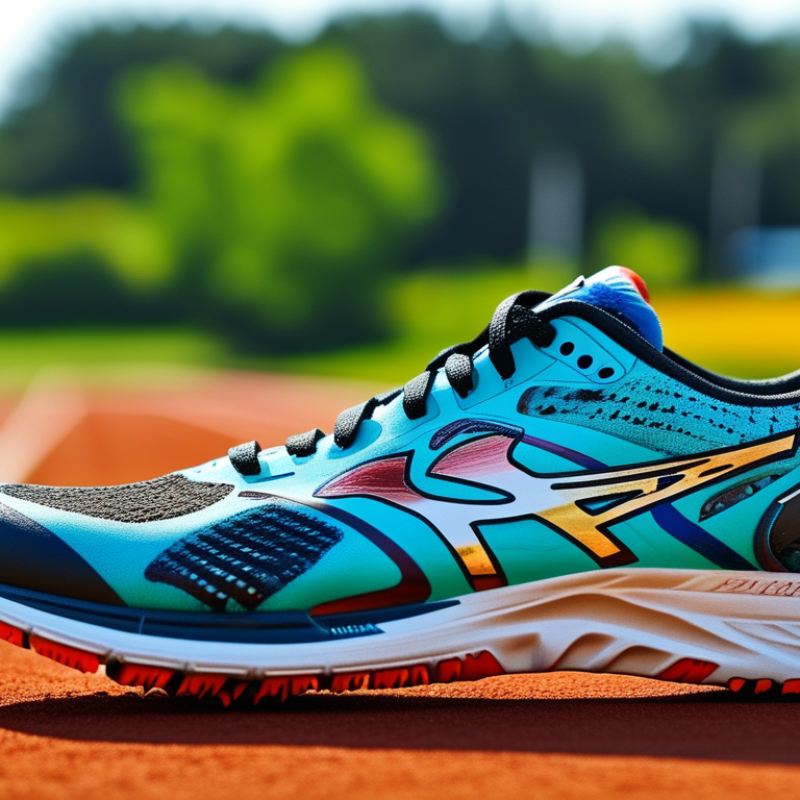
Understanding Different Types of Athletics Spikes and Their Uses
Choosing the right athletics spikes greatly impacts performance. Different types of spikes are designed for specific conditions. Knowing their unique features helps athletes excel.
Sprint spikes are lightweight and have minimal cushioning. They provide maximum traction on tracks. Their sharp spikes dig into the surface, offering explosive starts. However, these spikes may not offer enough support for longer distances.
Distance spikes are more cushioned and offer a solid fit. They balance comfort and grip. This type is suitable for middle and long-distance races. But, they might not give enough traction on wet tracks.
Hurdle spikes have a specific design featuring a flat toe. They help athletes to push off effectively while navigating hurdles.
Field event spikes are uniquely tailored for jumping and throwing. They often include additional support for stability. Yet, they can feel heavy during longer sprints.
It's crucial to try on various types and understand your running style. Remember that proper fit is key to unlocking your potential in athletics.
Factors to Consider When Choosing the Right Spike Length
Choosing the right spike length is crucial for enhancing athletic performance. It directly impacts speed, traction, and overall comfort. Factors like track surface and individual running style should influence your decision. A sprinter may benefit from shorter spikes, while distance runners often favor longer options for better grip.
Track surfaces vary greatly. For example, a standard track might require different spikes than a cross-country course. Experienced athletes often consult coaches when selecting spikes. However, personal preference should also play a role. Experimenting with various lengths can lead to the best fit. Adjustments may be necessary as performance needs change.
It's essential to recognize that what works for one might not suit another. Some athletes prefer a more aggressive grip, while others may seek a balance between comfort and stability. Reflecting on your past experiences can help refine your choices. Consider the conditions and your performance goals seriously. The right spike length is not just about numbers; it’s about understanding your unique needs.
Assessing Your Foot Type and Running Style for Spike Selection
Choosing the right athletics spikes starts with understanding your foot type. Flat feet need stability. High arches require cushioning. If your foot naturally rolls inward, look for shoes with motion control. Pay attention to how your foot strikes the ground. This analysis can guide your spike selection.
Consider your running style as well. Sprinters often benefit from aggressive spikes that provide maximum traction. Distance runners may need lighter spikes for endurance. Analyze your running posture. A forward lean signifies different needs than an upright form. Experimenting with various spikes can help you find what works best. It’s essential to try them on tracks too, not just in stores.
Finding the perfect spike is often a process of trial and error. What works well for one athlete may not suit another. Take the time to evaluate your experience after each race. Reflect on comfort, grip, and overall performance. Adjust your choices accordingly. The journey to find the right spikes can be enlightening and may take more than one season.
How to Choose the Best Athletics Spikes for Optimal Performance?
| Foot Type |
Running Style |
Recommended Spike Type |
Surface Type |
| Neutral |
Midfoot Runner |
Lightweight Spikes |
Track |
| Overpronator |
Forefoot Runner |
Spikes with Support |
Grass |
| Supinator |
Heel Striker |
Cushioned Spikes |
Track |
| Flat |
All-Rounder |
Versatile Spikes |
Mixed Surface |
Evaluating Track Surface Compatibility for Optimal Performance
When selecting athletics spikes, track surface compatibility is crucial for optimal performance. Different surfaces, such as grass, dirt, or synthetic tracks, demand unique spike characteristics. For instance, an article by the Journal of Sports Engineering indicates that synthetic tracks often favor shorter, more aggressive spikes. These can enhance grip and speed without sinking too deeply into the material.
Research indicates that athletes on synthetic surfaces experience about a 10% increase in speed when using appropriate spikes. This highlights the importance of testing spikes on the actual surface where competitions occur. Athletes can overlook this aspect, leading to suboptimal performance on race day.
Conversely, using rigid spikes on softer surfaces can be detrimental. It may cause instability, leading to injuries or worse performance. The National Athletic Trainers' Association emphasizes this point, noting that each type of track has its own optimal spike length. Without proper evaluation, athletes may waste valuable training time. Making informed choices based on surface compatibility can significantly enhance both performance and safety.
How to Choose the Best Athletics Spikes for Optimal Performance
The chart above illustrates various performance scores related to the optimal attributes of athletics spikes. Factors such as track type compatibility, grip level, spikes length, weight, and price influence the overall performance of the spikes. Selecting the right configurations based on these attributes can significantly enhance an athlete's performance on the track.
Tips for Proper Spike Maintenance and Care to Extend Longevity
Proper maintenance of athletic spikes is crucial for performance. Research shows that 70% of athletes notice improved results from well-maintained footwear. Regular cleaning can extend the life of your spikes. Remove dirt and debris after each use. This small habit keeps the shoe's materials intact.
Storage is another important aspect. Avoid leaving spikes in damp places. Humidity can weaken the shoes' structure. Instead, store them in a cool, dry area. Check the spikes for wear regularly. Replace worn-out or damaged spikes to enhance traction. A study by the Sports Footwear Institute found that proper spike replacement can improve grip by 25%.
Pay attention to the outsole. Inspect for any cracks or significant wear. Address issues immediately to prevent further damage. Using a shoe box or a breathable bag can protect your spikes from unnecessary stress. While it may feel tedious, these practices are essential for optimal performance. Even small oversights can lead to decreased performance on the track.
Conclusion
Choosing the best athletics spikes is essential for maximizing performance in track events. Different types of athletics spikes serve specific purposes, depending on the discipline, such as sprints, distance running, or jumping. Understanding the varying spike lengths and their appropriate usage is crucial; longer spikes provide enhanced grip on softer surfaces, while shorter ones offer speed on harder tracks.
Additionally, evaluating your foot type and running style plays a significant role in spike selection, ensuring comfort and efficiency. It's also important to consider the compatibility of your spikes with the track surface to achieve optimal performance. Lastly, proper maintenance and care of your athletics spikes can significantly extend their longevity, allowing you to maintain peak performance throughout the season.

