Global buyers are looking for Predator Boots that combine protection, comfort, and dependable export performance. The opportunity is substantial. The World Footwear Yearbook 2024 reported more than 22 billion pairs of footwear were produced worldwide in 2023. That scale creates choice, but it also creates confusion. Not every factory delivers consistent sizing, durable uppers, or reliable shipment control.
William A. Rossi, DPM, a respected footwear author and podiatry expert, wrote, “The foot is the foundation of the body.” That principle matters in Predator Boots sourcing. A strong boot should support the heel, protect the toe, and remain stable on wet ground. Buyers should examine outsole rubber, stitching density, lining breathability, and insole recovery. Small details become serious after long hours outdoors.
A qualified China Predator Boots supplier should provide material specifications, sample testing, factory quality checks, and clear production timelines. Independent reports from the International Organization for Standardization also emphasize documented quality systems and repeatable testing. These points help global buyers compare suppliers beyond attractive catalog photos.
Still, no supplier should claim perfection. Fit can vary between markets, and field conditions may expose weaknesses that laboratory checks miss. That is why practical trials matter. Walk the boots. Bend them. Test the grip. Review customer feedback honestly. The best China Predator Boots supplier combines manufacturing experience, responsive communication, and evidence-based quality control. Reliable sourcing begins with proof, not promises.
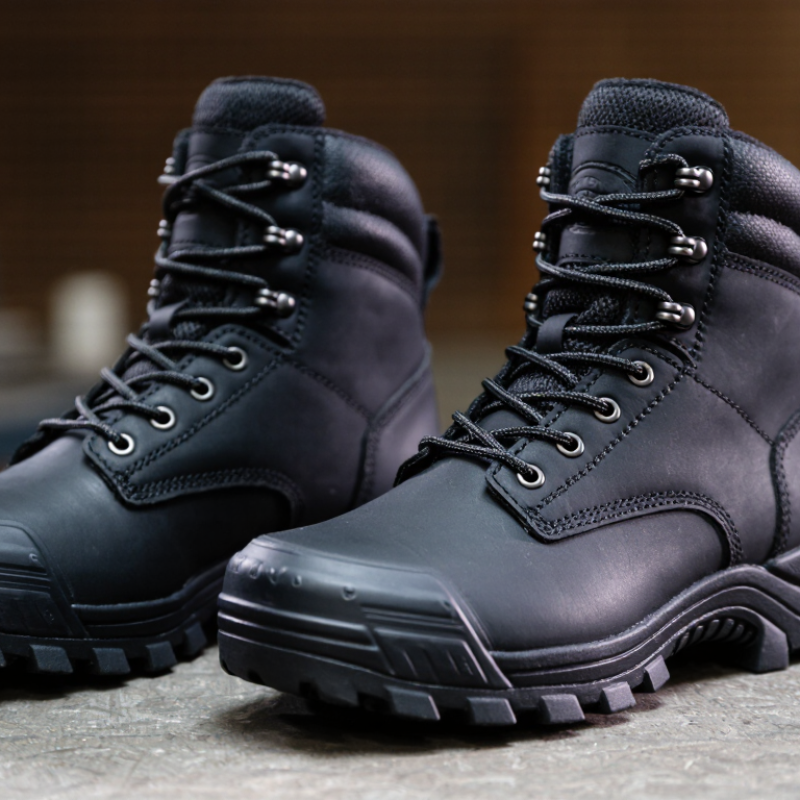
China’s advantage in predator boots begins with manufacturing depth, not only low pricing. The World Footwear Yearbook 2024 reports that China produced 55.5% of global footwear in 2023. Asia supplied 87.4%. That industrial base supports faster material sourcing, mold development, and production scaling. The WTO World Trade Statistical Review 2024 also records China’s 14.2% share of global merchandise exports in 2023. This reflects mature logistics and strong export experience. That scale matters.
Experienced Chinese factories can build boots with layered uppers, reinforced toe areas, molded studs, and responsive foam insoles. They often support sample revisions before bulk production. A buyer can check stitching density, sole bonding, flex performance, and size consistency through documented inspections. Third-party laboratory testing can also verify abrasion resistance and material safety. Small details decide comfort. However, supplier quality is not uniform. A lower quotation may hide weaker adhesives, inconsistent molds, or limited quality control. Buyers should review factory records, request physical samples, and confirm testing methods before signing an order. The process is practical, but never perfect. Even a reliable supplier can produce defects during a rushed seasonal shipment. Clear specifications, inspection checkpoints, and traceable batch numbers reduce that risk.
Predator boots for global buyers should balance quiet movement, weather protection, and stable support. The 2024 World Footwear Yearbook reported about 23.9 billion pairs produced worldwide in 2023. That scale makes consistent testing essential. A reliable supplier should document material specifications, batch inspection, and size tolerance.
Functional design begins with a waterproof membrane and sealed seams. A gusseted tongue helps block mud, leaves, and cold air. Insulation must match the climate. Excess insulation can cause sweating during long walks. A moisture-wicking lining is often more practical than extreme thickness. Deep lugs improve grip on wet soil, while a flexible forefoot supports careful movement. However, a very aggressive outsole may create more noise on dry branches. This detail is easy to overlook.
Tips: Check waterproofing through pressure testing, not appearance alone. Ask for abrasion results based on recognized footwear testing methods, such as SATRA procedures. Review outsole rubber hardness, flex cycles, and cold-temperature performance. Suppliers should also provide factory quality records and independent laboratory reports. Buyers may request samples in two sizes, because fit differences can affect heel slip and fatigue. A boot can look durable yet fail at the seam. That needs honest review.
| Product Dimension | Typical Specification or Configuration | Functional Design and User Benefit | Recommended Buyer Application | Quality and Verification Considerations |
|---|---|---|---|---|
| Upper Material | Full-grain leather, nubuck leather, synthetic textile, or a hybrid upper. | Balances abrasion resistance, flexibility, breathability, and overall boot durability. | Suitable for hunting, outdoor work, hiking, field operations, and rugged daily use. | Check material thickness, tear strength, flex performance, color consistency, and seam quality. |
| Water Resistance | Water-resistant treatment, gusseted tongue, sealed construction, or a waterproof membrane option. | Helps reduce water entry during rain, wet grass, mud, and shallow outdoor exposure. | Useful for wet climates, woodland environments, hunting, trekking, and outdoor labor. | Confirm the test method, water-entry result, membrane construction, and performance after repeated flexing. |
| Insulation | Non-insulated design or synthetic insulation commonly offered in different weights, such as approximately 200 g or 400 g. | Provides different warmth levels while allowing buyers to match the boot to seasonal conditions. | Non-insulated versions suit warm climates; insulated versions suit cold-weather outdoor use. | Request thermal-performance data, insulation weight, lining composition, and temperature guidance based on test conditions. |
| Breathability | Moisture-managing lining, breathable textile panels, or a breathable waterproof membrane. | Helps release water vapor and improves comfort during extended walking or active field use. | Recommended for warm regions, long-distance walking, and high-activity applications. | Evaluate vapor permeability, lining durability, drying time, and performance when combined with waterproof layers. |
| Outsole Compound | Rubber outsole or rubber-compound outsole with a lugged traction pattern. | Improves grip, abrasion resistance, and stability on uneven outdoor surfaces. | Appropriate for forest trails, soil, gravel, wet ground, and general outdoor work. | Check rubber hardness, abrasion resistance, slip performance, bonding strength, and outsole flexibility. |
| Tread Pattern | Multidirectional lugs with channels designed to shed mud and water. | Supports traction during forward movement, braking, turning, and climbing on variable terrain. | Useful for hunting, hiking, tactical-style outdoor activities, and field work. | Review lug depth, spacing, heel geometry, drainage design, and traction test results on wet and dry surfaces. |
| Midsole Cushioning | EVA, polyurethane, or layered foam midsole with shock-absorbing properties. | Reduces impact and foot fatigue during prolonged standing or walking. | Suitable for long outdoor sessions, patrol-style work, travel, and recreational hiking. | Check compression-set resistance, cushioning recovery, flex durability, and performance across temperature ranges. |
| Footbed and Insole | Removable molded footbed with textile covering and optional anatomical support. | Improves underfoot comfort and simplifies cleaning, drying, and replacement. | Beneficial for buyers requiring washable or replaceable internal components. | Confirm insole thickness, moisture management, odor-control treatment, dimensional stability, and replacement availability. |
| Ankle Support | Mid-cut or high-cut shaft with padded collar and structured heel area. | Helps support the ankle and improves protection against minor impacts, debris, and uneven terrain. | Recommended for rugged trails, field activities, and applications requiring additional ankle coverage. | Assess collar padding, shaft stiffness, heel hold, flex comfort, and pressure points during wear testing. |
| Toe Protection | Reinforced toe cap; safety-toe versions may use steel, aluminum, or composite materials where applicable. | Protects the front of the foot from abrasion and, in certified safety models, specified impact or compression hazards. | Standard versions suit outdoor recreation; safety-toe versions suit industrial or work environments. | Do not claim safety protection without certification. Verify the applicable regional standard and laboratory test report. |
| Heel and Arch Stability | Reinforced heel counter, stable heel platform, and supportive shank or arch structure. | Improves foot positioning, reduces excessive movement, and supports controlled walking on uneven ground. | Useful for extended wear, slopes, rocky trails, and load-carrying activities. | Check heel-counter recovery, torsional stiffness, arch-support geometry, and outsole-to-upper alignment. |
| Closure System | Metal or reinforced eyelets, round or flat laces, speed hooks, or a mixed lacing system. | Allows secure adjustment and faster tightening while helping prevent heel lift. | Speed hooks are useful for frequent use; conventional eyelets provide broad fit adjustment. | Inspect lace-break strength, eyelet pull-out resistance, hook corrosion resistance, and lace-retention performance. |
| Tongue Construction | Padded tongue with gusseted sides extending upward along the lace area. | Improves comfort and helps limit water, dust, stones, and other debris from entering the boot. | Recommended for muddy, dusty, wet, or uneven outdoor environments. | Check gusset height, stitching density, padding recovery, and tongue alignment after repeated lacing. |
| Lining and Collar | Moisture-managing textile lining with padded collar and heel contact area. | Reduces friction, improves comfort, and supports moisture control around the foot and ankle. | Suitable for extended wear and buyers targeting comfort-focused outdoor footwear. | Evaluate colorfastness, seam smoothness, abrasion resistance, pilling, and skin-contact comfort. |
| Weight and Shaft Height | Varies by size, materials, insulation, protection level, and shaft height; commonly offered in low, mid, or high cuts. | Creates a trade-off between mobility, protection, warmth, and long-duration comfort. | Low or mid cuts suit mobility; higher shafts suit added coverage and colder or rougher conditions. | Compare weight per pair by a defined size, record shaft height, and assess balance between both boots. |
| Fit and Sizing | Regional size conversion charts with regular, wide, or adjustable-fit options where available. | Improves comfort, reduces returns, and accommodates different foot shapes and sock thicknesses. | Important for international buyers serving multiple markets. | Use measured foot-length data, confirm width information, test with intended socks, and validate size grading. |
| Construction Method | Cemented, direct-attached, or stitched-and-cemented construction depending on the design. | Influences flexibility, weight, water resistance, repairability, and production cost. | Cemented construction favors flexibility and cost efficiency; reinforced construction favors demanding use. | Inspect bonding coverage, stitch consistency, flex-cycle durability, delamination resistance, and finishing quality. |
| Color and Camouflage Options | Earth-tone solids, dark outdoor colors, or custom textile patterns subject to material and production limitations. | Supports visual suitability for outdoor environments and market-specific product positioning. | Commonly considered for hunting, outdoor recreation, workwear, and private-label collections. | Verify colorfastness, print registration, minimum order requirements, and consistency between production batches. |
| Packaging and Export Readiness | Individual shoe box, size labels, care instructions, carton packing, and export documents as required. | Protects products during transport and simplifies warehouse receiving and retail handling. | Important for distributors, e-commerce sellers, retailers, and international importers. | Confirm carton dimensions, packing quantity, barcode format, labeling rules, moisture protection, and destination-market requirements. |
China Best Predator Boots Supplier for Global Buyers
A reliable predator boot manufacturing process begins with a technical specification, not a quick product sketch. Chinese factories review foot measurements, upper height, material thickness, sole flexibility, and intended terrain. Experienced technicians then create a sample pattern and test its fit on several foot shapes. One sample is rarely enough.
After approval, workers inspect synthetic leather, mesh, foam, thread, and rubber compounds before cutting. Computer-guided cutting improves consistency, but skilled workers still check grain direction and small defects. The upper is stitched in controlled stages. Reinforced areas receive extra thread, especially around the heel, ankle, and lace eyelets. Careless tension can cause discomfort.
The sole process usually combines molded rubber with an adhesive bonding stage. Some factories use heat and pressure to improve attachment. Quality teams inspect the bond, tread depth, stitching, weight, and surface finish. They may also conduct flexing, abrasion, and wet-condition tests. Results should be recorded by production batch, making later checks more dependable. Yet no factory process is flawless. A minor alignment issue can appear after bulk production begins. For this reason, experienced suppliers keep pre-production samples, confirm packaging details, and communicate changes quickly. Buyers should request inspection records, material specifications, and clear tolerance ranges before placing large orders. Good manufacturing depends on evidence, not attractive photographs alone.
Typical production-time distribution for a performance football boot, from material preparation to final inspection. Figures are non-brand industry benchmark estimates and may vary by design, order volume, and factory setup.
The largest time requirements usually occur during upper assembly, soleplate molding, and bonding because these steps combine manual workmanship with controlled heating, pressing, and curing.
Quality starts with measurable details, not aggressive product claims. During supplier audits, buyers should check upper strength, sole bonding, stud geometry, and size consistency. ISO 2859-1 provides a practical sampling framework for incoming inspections. A buyer can inspect selected pairs instead of trusting one showroom sample. That matters.
Traction deserves careful testing. The UEFA Elite Club Injury Study reported about 27 match injuries per 1,000 hours in recent elite football data. The report does not prove that boots cause injuries. However, unstable studs, poor fit, and unsuitable surfaces can increase player concerns. Suppliers should test rotational resistance and release behavior on firm ground, artificial turf, and wet surfaces. Request test records, not attractive promises.
Material safety also requires evidence. Independent laboratory checks should screen adhesives, dyes, and synthetic uppers for restricted substances under applicable market rules. Grand View Research’s 2024 sports footwear report places global demand at well above 100 billion US dollars, showing the scale of buyer responsibility. Large volume does not guarantee quality. Small defects become expensive quickly. Use batch codes, carton photos, and pre-shipment measurements. Keep spare pairs for field trials. Some suppliers may resist destructive testing, and that is a warning sign. Still, laboratory results can miss real match conditions. A thoughtful buyer should combine documents, physical inspections, and player feedback before approving production.
Selecting a reliable China predator boots supplier requires more than comparing online prices. Start by checking factory experience, production capacity, and export history. Ask for a physical factory address, business registration, and recent production photos. A video call can reveal cutting tables, stitching stations, storage conditions, and packing areas. Request samples from the same line used for bulk orders. Check sole bonding, toe protection, lining comfort, waterproof seams, and size consistency. Small defects matter. They often become expensive returns.
A dependable supplier explains materials clearly and provides test reports when required. Confirm leather or synthetic composition, abrasion resistance, slip resistance, and chemical safety documentation. Review quality control from incoming materials to final inspection. Ask how they handle defective pairs, late shipments, and design changes. Clear answers build confidence. Vague promises do not. Compare three quotations, but remember that the lowest price may hide weaker soles or unstable production. My judgment is not perfect; a polished sample can still conceal poor batch control. Use written specifications, an approved sample, inspection photos, and payment milestones.
Tips: Check references from recent buyers, not only testimonials. Verify carton labels, size ratios, shipping terms, and destination-market requirements before production. Begin with a small trial order. Keep communication documented. A supplier who welcomes reasonable inspections is usually safer for long-term cooperation.
China has deep footwear manufacturing capacity and experienced export logistics. Factories can source materials, develop molds, and increase production quickly. Scale matters.
Useful features include waterproof membranes, sealed seams, reinforced toes, and molded outsole lugs. A gusseted tongue helps block mud, leaves, and cold air. Small details matter.
Do not judge waterproofing by appearance alone. Request pressure-testing records and inspect seam sealing carefully. A boot may look excellent yet leak near the toe or tongue.
Deep lugs improve grip on wet soil and uneven ground. A flexible forefoot supports careful movement and reduces stiffness. However, aggressive lugs may create noise on dry branches.
Request documents covering material composition, abrasion resistance, slip resistance, and chemical safety. Independent laboratory reports can support these claims. Paperwork can still be incomplete.
Check stitching density, sole bonding, toe reinforcement, lining comfort, and size consistency. Test samples in two sizes because fit can affect heel movement and fatigue. Wear them on wet ground.
Review factory experience, export history, production capacity, and business registration. Ask for a physical address and recent production photos. A video call may reveal cutting tables, storage areas, and packing conditions.
A low quotation may conceal weak adhesives, unstable molds, or limited quality control. Compare at least three quotations, but examine specifications and inspection plans. Cheap can become expensive.
Use written specifications, an approved sample, inspection checkpoints, and traceable batch numbers. Confirm how the supplier handles defective pairs, delays, and design changes. Begin with a small trial order.
China has become a leading supplier of Predator Boots by combining efficient manufacturing, skilled production teams, flexible customization, and competitive pricing. Manufacturers can serve global buyers with a wide range of boot designs suitable for outdoor activities, tactical applications, and demanding work environments. Their products commonly feature durable materials, reinforced construction, secure fastening systems, supportive soles, water resistance, and comfortable interior designs. These functional elements help improve protection, stability, and long-term wear performance.
The manufacturing process typically includes material selection, pattern development, cutting, stitching, molding, assembly, finishing, and final inspection. Reliable suppliers follow consistent quality standards by testing dimensions, materials, bonding strength, sole performance, and overall durability. When selecting a China Predator Boots supplier, global buyers should evaluate production capacity, communication, customization ability, sample quality, inspection procedures, certifications, delivery reliability, and after-sales support. A supplier with transparent processes and stable quality control can provide dependable Predator Boots for different markets and purchasing requirements.
