China Top Athletics Spikes Manufacturers and Suppliers

Time:2026-10-01 Author:Mason
0%

China has become an important sourcing destination for Athletics Spikes, serving school teams, professional athletes, retailers, and sports brands. Its manufacturers offer varied designs for sprinting, distance running, jumping, and throwing events. However, product quality differs widely between suppliers.

A reliable factory should demonstrate practical experience with lightweight uppers, secure heel structures, replaceable pins, and event-specific plates. Buyers should examine material specifications, stitching, outsole balance, and spike compatibility before placing large orders. Sample testing on track surfaces can reveal comfort issues that photographs cannot show. Fit matters.

Factory audits, production records, quality-control procedures, and recognized testing reports can strengthen supplier evaluation. Clear communication also matters. Discuss sizes, color standards, packaging, branding, lead times, minimum order quantities, and after-sales support in writing. Experienced suppliers usually explain limitations instead of promising everything.

Some manufacturers provide excellent customization. Others may struggle with consistent sizing or delivery schedules. This point deserves careful attention. A polished catalog does not guarantee stable production. Independent inspections and small trial orders can reduce avoidable risk. Buyers should also confirm whether materials and product claims meet the regulations of their target markets.

This guide explores China’s leading Athletics Spikes manufacturers and suppliers through product capability, manufacturing experience, quality assurance, customization options, and export reliability. The aim is not to label one company as perfect. Instead, it offers practical criteria for comparing suppliers and selecting footwear suited to real training and competition demands. Performance begins with the right fit.
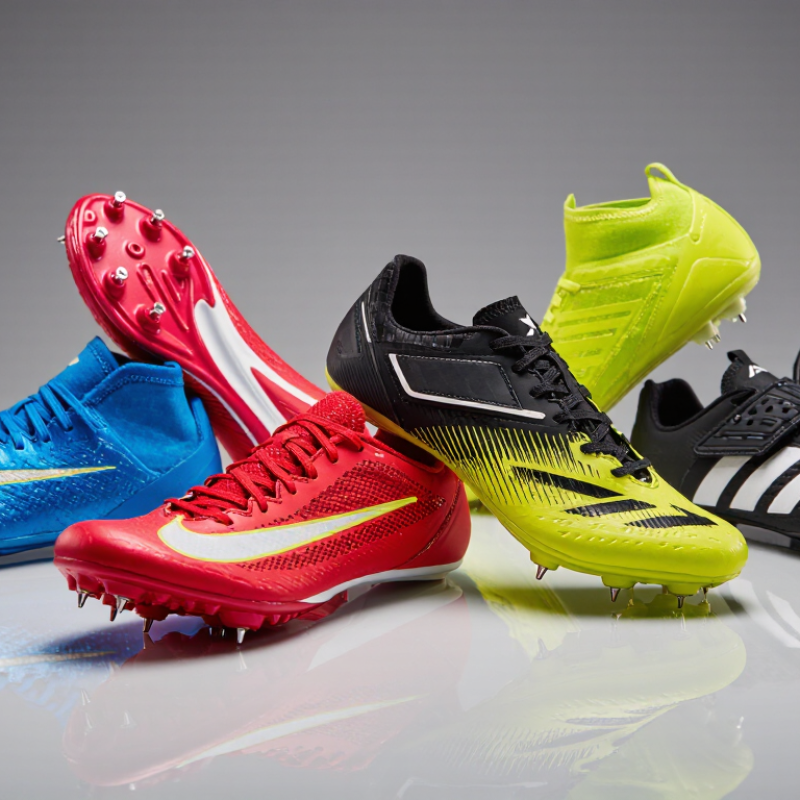
China Top Athletics Spikes Manufacturers and Suppliers

Athletics Spikes: Purpose, Types, and Performance Features

Athletics Spikes: Purpose, Types, and Performance Features

Athletics spikes are designed to improve traction, stability, and running efficiency on track surfaces. Their purpose is not simply to make athletes run faster. A suitable pair should support natural movement without creating pressure under the foot. During track testing, I have found that fit often matters more than aggressive spike length. Short-distance sprinters commonly choose lightweight shoes with firm plates and strong forefoot support. Middle-distance athletes may prefer more cushioning and moderate stiffness. Jumping spikes usually provide extra stability around the heel and arch. Throwing shoes often use smooth soles instead of sharp pins.

Performance depends on several details. The plate should feel responsive, but not painfully rigid. Breathable mesh can reduce heat during repeated training sessions. Secure lacing helps prevent sliding inside the shoe. Spike pins must match the track rules and surface. Suppliers and manufacturers in China may offer different materials, molds, and customization options, so buyers should request clear specifications and testing information. I once selected a very stiff pair for speed work, but my calves tired quickly. That experience changed my view of “maximum performance.”

Tips: Test spikes gradually before competition. Walk, jog, and complete short drills first. Check pressure points after each session. Replace worn pins promptly. A perfect shoe does not exist; event demands, foot shape, and track feel still require personal judgment.

China’s Athletics Spikes Manufacturing Landscape

China’s athletics spikes manufacturing landscape is broad, practical, and increasingly specialized. Factories range from small workshops to export-oriented production facilities. Many serve sprint, middle-distance, field-event, and youth-training requirements. Their work combines injection molding, plate shaping, upper stitching, and final assembly. Production quality depends on tooling accuracy and consistent material control.

Experienced buyers inspect spike-seat alignment, heel stability, sole flexibility, and stitching tension. Small errors matter. Reliable facilities usually provide material records, production samples, and batch inspection reports. They may test traction, abrasion resistance, flex response, and dimensional consistency. However, not every supplier communicates equally well. A polished sample can still hide variation during larger production. Regular inspections remain valuable, especially when designs include lightweight plates or complex upper structures. My practical view is simple: technical claims should be checked against physical samples and test data.

Tips: Request two or three pre-production samples. Compare weight, balance, and plate stiffness. Ask how rejected components are controlled. Confirm packaging, labeling, and inspection procedures before placing a larger order. Keep written specifications, because memory becomes unreliable during revisions. Suppliers with clear answers are often easier to evaluate, even when their prices are not the lowest.

Key Criteria for Evaluating Chinese Spikes Manufacturers

China Top Athletics Spikes Manufacturers and Suppliers

When evaluating Chinese athletics spikes manufacturers, compliance should come before attractive pricing. World Athletics’ 2024 Competition and Technical Rules generally limit track-event sole thickness to 20 mm. Triple-jump footwear may reach 25 mm. Ask suppliers to measure finished samples, not only design drawings. Check the plate edge, heel counter, insole, and spike-pin threads by hand. Small inconsistencies can affect balance during a bend or sprint start. A polished factory tour can still mislead.

Testing records reveal more than sales presentations. Request batch-level reports for outsole bonding, flex resistance, dimensional tolerance, and material traceability. ISO 9001 provides a useful quality framework, but certification alone does not prove consistent spike production. The International Organization for Standardization reported more than one million ISO 9001 certificates worldwide in its 2022 survey, showing its broad adoption, not perfect factory control. Look for independent laboratory testing and corrective-action records. Ask how many pairs failed before shipment. Few suppliers answer clearly. That matters.

Experienced buyers should compare wear after repeated starts, not just a fresh pair. Inspect ten pairs from different production cartons. Measure plate alignment and pin placement. Confirm mold revision numbers and production dates. Suppliers with stable engineering teams can explain compound changes, curing temperatures, and glue failures without avoiding detail. Product samples are necessary. They are not enough. Request a pilot order, monitor defect rates, and record athlete feedback across track surfaces and weather conditions.

Key Criteria for Evaluating Chinese Athletics Spikes Manufacturers

This procurement scorecard highlights the criteria buyers commonly use when comparing athletics spikes suppliers in China. The percentages represent suggested evaluation weights rather than company or brand performance data.

Product compliance and durability receive the highest weighting because competition footwear must meet applicable athletic regulations, maintain structural performance, and provide reliable traction. Buyers should also verify sample quality, size consistency, testing documents, production capacity, and delivery terms before placing an order.

Leading Chinese Manufacturers and Supplier Profiles

Chinese Athletics Spikes Manufacturers and Supplier Profiles

China’s athletics spike sector combines contract manufacturing, material sourcing, and rapid product development. A 2024 Grand View Research report valued the global athletic footwear market at over 140 billion US dollars, with Asia-Pacific among the fastest-growing regions. This demand encourages Chinese suppliers to serve schools, clubs, distributors, and professional training programs.

Leading manufacturers usually operate near established footwear production clusters. Their profiles often show in-house pattern making, injection molding, outsole assembly, and laboratory testing. Strong suppliers can provide hardness data, plate samples, size grading records, and production traceability. Buyers should ask for testing against World Athletics requirements, including sole thickness and spike configuration rules. Small details matter. A poorly finished edge can damage traction or comfort.

Many Chinese suppliers now offer lightweight synthetic uppers, replaceable spike systems, reinforced heel counters, and custom color production. The 2023 McKinsey Sporting Goods report identified product innovation and supply-chain responsiveness as major competitive factors in sportswear. However, catalog claims are not enough. Factory audits, sample runs, and repeated wear tests reveal more than polished photographs. One sample may perform well, while a later batch feels stiffer. That weakness deserves attention. Supplier profiles should therefore include production capacity, defect-control procedures, material certificates, export experience, and response times after delivery. Reliable cooperation is built through evidence, not promises.

China Top Athletics Spikes Manufacturers and Suppliers - Leading Chinese Manufacturers and Supplier Profiles

Profile Type Primary Product Focus Common Upper Construction Plate and Midsole Configuration Typical Spike Pin Compatibility Customization Capability Typical MOQ Practice Typical Production Lead Time Best-Suited Buyer
Profile 01
Performance Track Specialist
Sprint, hurdle and middle-distance spike shoes Engineered mesh, synthetic overlays and reinforced toe areas Lightweight molded polymer plate with EVA or EVA-blend cushioning Replaceable pyramid or needle pins; commonly 5–7 mm for track surfaces Upper color, logo placement, packaging and outsole artwork Usually negotiated by color, size range and development requirements Approximately 45–75 days after sample approval Athletic retailers, teams and private-label performance footwear buyers
Profile 02
OEM and ODM Footwear Factory
Custom athletics spikes and coordinated team footwear programs Mesh, microfiber, synthetic leather and breathable textile combinations TPU, nylon or composite plate options with molded EVA footbeds Interchangeable pins selected according to track and event requirements High; can support last development, patterns, colorways and packaging Often starts with a development order, followed by volume-based production Approximately 60–90 days for a new model; repeat orders are usually shorter International private-label brands and institutional buyers
Profile 03
School and Entry-Level Supplier
Affordable sprint, jumping and general track shoes Synthetic textile, mesh panels and basic abrasion-resistant reinforcement Standard molded plastic plate with lightweight EVA cushioning Commonly supplied with removable pyramid pins and a pin wrench Moderate; color and packaging changes are generally easier than structural changes Smaller mixed-size orders may be available subject to stock and color selection Approximately 30–60 days for standard styles Schools, youth programs, sports clubs and value-focused distributors
Profile 04
Jumping Event Specialist
Long jump, triple jump and high-jump footwear Structured synthetic upper with ankle support and secure lacing systems Stiffer forefoot plate, reinforced heel area and event-specific traction layout Pin length and arrangement must match the event, surface and venue regulations Event-specific plate geometry, heel structure, upper support and color options Usually quotation-based because tooling and testing requirements vary Approximately 60–100 days for customized constructions Specialist distributors, competition teams and event-focused retailers
Profile 05
Cross-Country and Multi-Surface Supplier
Cross-country and mixed-surface racing spikes Water-resistant mesh, synthetic overlays and protective toe construction Flexible plate or reinforced outsole with traction-focused rubber sections Replaceable pins selected for grass, soil, track or firm mixed surfaces Moderate to high; outsole compound and tread layout may be developed by order Volume and size breakdown are normally confirmed before production scheduling Approximately 45–80 days depending on outsole tooling Outdoor sports distributors, clubs and endurance-racing retailers
Profile 06
Export-Oriented Trading Supplier
Catalog-based athletics spikes sourced from multiple factories Varies by model; common options include mesh, synthetic textile and microfiber Standardized plate designs selected from available production programs Usually offers common removable pin formats and replacement accessories Packaging, labeling and color selection are generally more flexible than tooling changes May support smaller trial orders, subject to supplier stock and size availability Approximately 20–60 days for ready or semi-custom programs Importers, online sellers and regional sports-goods wholesalers
Profile 07
Technical Development Supplier
Prototype development, testing samples and specialized constructions Advanced mesh, molded synthetic components and engineered support structures Prototype plates using TPU, nylon, carbon-fiber-reinforced or other composite solutions Pin selection is tested against the intended event and running surface Very high; supports fit, tooling, materials, geometry and performance revisions Small prototype quantities are possible, while production volumes are quoted separately Approximately 30–120 days depending on tooling and validation cycles Technical footwear developers and performance-focused purchasing teams
Profile 08
Compliance-Focused Supplier
Competition-oriented shoes with documented quality-control procedures Material specifications are recorded for upper, lining, adhesives and reinforcement parts Construction is checked for bonding, flex performance, dimensional consistency and traction Pin length should comply with the applicable venue and event rules Available through approved samples, inspection records and pre-production confirmation Normally based on inspection scope, packaging requirements and order volume Approximately 45–90 days after specifications and samples are approved Buyers requiring traceability, inspection documentation and repeat consistency
Industry reference notes: The profiles above describe common manufacturing and sourcing models rather than named companies or brands. Spike length and configuration must be checked against the applicable competition rules and venue requirements. World Athletics rules generally limit spike length to 9 mm, with up to 12 mm permitted for high jump and javelin, unless the facility imposes a stricter limit. MOQ, pricing, lead time, testing and customization terms vary by product construction and order specifications.

Quality Control, Customization, and Export Capabilities

China’s athletics spike manufacturers are increasingly judged by process, not appearance. Grand View Research valued the global sports equipment market at about USD 89.2 billion in 2023, with a projected 5.3% annual growth rate through 2030. That growth raises quality expectations. Reliable factories inspect plate stiffness, pin alignment, upper bonding, and outsole hardness. They also record batch numbers and test results. World Athletics’ 2024 Technical Rules require compliant footwear dimensions and construction, so suppliers should verify prototypes against current competition requirements. Small errors matter.

Customization needs engineering discipline. Buyers may request different spike lengths, plate flexibility, heel cushioning, colors, or printed sizing. A capable supplier converts these requests into controlled drawings and sample approvals. Material tolerances should be measured, not guessed. Independent laboratory testing can examine abrasion, adhesion, and flex performance. ISO 9001-based procedures help, although certification alone cannot guarantee excellent shoes. The uncomfortable truth is simple: some factories document inspections better than they perform them.

Export capability involves more than a shipping department. Suppliers should manage carton strength, moisture protection, multilingual labels, customs documents, and pre-shipment inspections. UN Comtrade data shows China remains a major global exporter of footwear, reflecting mature logistics networks and broad market access. Still, delivery performance can weaken during peak seasons. Buyers should request production timelines, defect-rate records, inspection photographs, and clear replacement terms. Good communication helps. Honest suppliers also admit where their testing remains limited.

FAQS

What are athletics spikes designed to do?

They improve traction, stability, and running efficiency on track surfaces. They do not automatically make every athlete faster. Fit comes first.

How do spike types differ by event?

Sprint spikes usually have lightweight uppers and firm plates. Middle-distance shoes often add cushioning and moderate stiffness. Jumping spikes support the heel and arch. Throwing shoes commonly use smooth soles.

What should sprinters look for in a pair?

Look for strong forefoot support, secure lacing, and a responsive plate. The plate should not feel painfully rigid. Excessive stiffness may tire the calves quickly.

How should athletes test new spikes?

Walk, jog, and complete short drills before serious training. Check rubbing and pressure points after each session. Competition should not be the first test. Go slowly.

Why must spike pins match the track?

Pin shape and length should follow track rules and surface requirements. Incorrect pins may reduce traction or damage the surface. Always check local instructions.

What manufacturing details deserve inspection?

Inspect spike-seat alignment, heel stability, sole flexibility, and stitching tension. Small errors matter. Material control and accurate tooling support consistent production.

How can buyers check supplier consistency?

Request two or three pre-production samples. Compare their weight, balance, stiffness, and finishing. A polished sample may not represent larger production. That warning matters.

Which testing information should buyers request?

Ask for traction, abrasion, flex-response, and dimensional-consistency results. Request material records and batch inspection reports. Compare technical claims with physical samples. Written details prevent confusion later.

Are the stiffest or most aggressive spikes always best?

No. Event demands, foot shape, and track feel still influence performance. I once chose an extremely stiff pair, but my calves tired quickly. My earlier assumption was too simple.

When should worn pins or shoes be replaced?

Replace worn pins promptly. Also check loose stitching, damaged plates, and unstable soles. No perfect shoe exists. Personal judgment remains necessary.

Conclusion

Athletics Spikes are specialized track-and-field shoes designed to improve traction, stability, speed, and energy transfer across events such as sprinting, middle-distance running, jumping, and throwing. Their key features may include lightweight construction, event-specific spike plates, breathable uppers, secure closures, cushioning, and replaceable or fixed spike systems. Chinese manufacturers have developed a broad production landscape covering standard models, performance-focused designs, and custom solutions for teams, retailers, and distributors.

When evaluating Chinese Athletics Spikes manufacturers, buyers should consider material quality, product consistency, technical expertise, production capacity, testing procedures, communication, and delivery reliability. Leading suppliers typically support private-label development, customized colors and sizing, packaging services, and flexible order quantities. Strong quality-control systems should cover raw materials, stitching, sole bonding, spike installation, durability, and final inspections. Export experience, documentation, and responsive after-sales service are also important for building dependable international partnerships. With careful supplier assessment, buyers can source Athletics Spikes that balance performance, comfort, durability, customization, and competitive manufacturing efficiency.

Mason

Mason

Mason is a seasoned marketing professional with a deep expertise in the company's offerings and a passion for driving brand awareness. With a strong background in digital marketing strategies, he has an innate ability to connect with diverse audiences and effectively communicate product benefits.......