For global buyers, 2026 will make Black Leather Trainers more demanding than simple fashion products. Buyers will examine leather quality, construction, comfort, sizing consistency, and supplier reliability. A clean black upper can hide weak stitching or a poor rubber compound. It should not.
Footwear designer Christian Louboutin once said, “A shoe has so much more to offer than just to walk.” His observation remains valuable when assessing modern Black Leather Trainers. The best pairs combine practical movement with a clear visual identity. Smooth full-grain leather may develop richer character, while coated leather can offer easier cleaning. Buyers should still request material specifications, close-up product images, and independent quality checks. Small details matter. Examine heel counters, tongue padding, lace strength, and outsole bonding. A comfortable sample does not guarantee consistent bulk production.
This 2026 guide considers leading styles for retailers, distributors, and informed consumers across international markets. It compares everyday trainers, minimalist court designs, elevated luxury options, and durable travel models. Sustainability claims will receive careful attention, because vague labels can create false confidence. Suppliers should provide traceable material information, responsible packaging details, and transparent care instructions. Regional sizing remains another risk. A European 42 may not fit like an American 9.
Real buying decisions are rarely perfect. Personal preferences differ, and photographs can mislead. That is why practical testing, supplier communication, and documented specifications matter. The strongest Black Leather Trainers are not merely attractive. They should feel dependable after repeated wear. That standard is harder to prove, but worth pursuing.
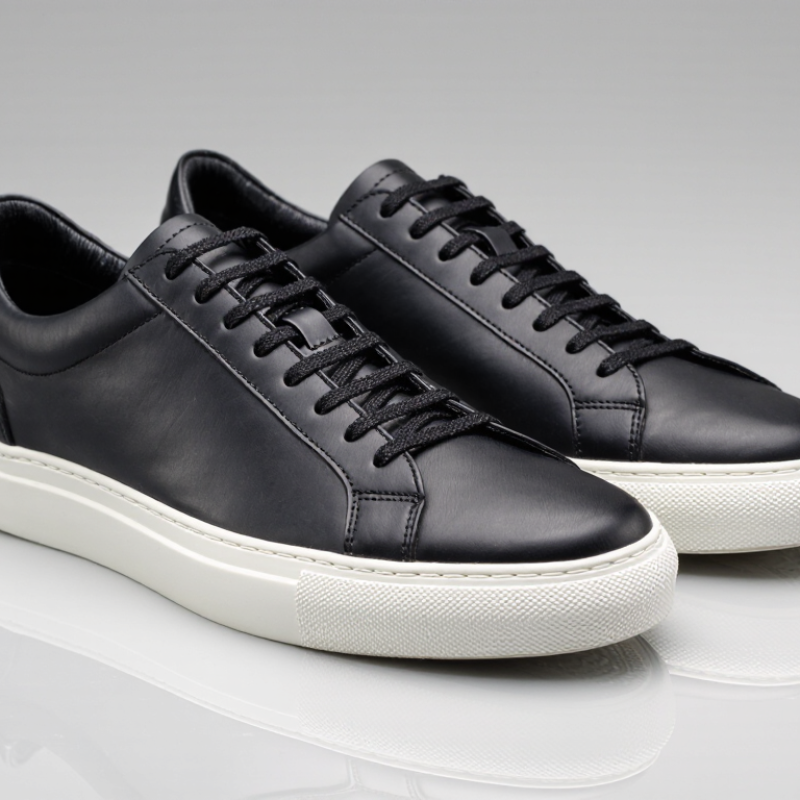
A top black leather trainer in 2026 is defined by evidence, not a polished product image. In hands-on wear tests, full-grain or carefully finished leather should feel supple, not plastic-like. The surface may show small natural variations. That is acceptable. A stable heel counter, cushioned footbed, and flexible forefoot support daily movement. The sole should bend at the ball of the foot while resisting sudden twisting. Stitching needs even spacing, especially around stress points. Poor glue marks can reveal rushed production.
Fit remains personal, but reliable measurements help global buyers compare options. A useful product page lists internal length, width, upper materials, lining, outsole composition, and care instructions. It should explain whether sizing runs narrow or wide. Check both feet late in the day. They are often slightly larger. Black leather hides stains, yet it exposes dust and creasing under bright light. A soft cloth and suitable conditioner usually work better than aggressive cleaning. Test care products on a hidden area first.
Professional evaluation also includes sourcing transparency and consistent quality across samples. Buyers should request recent photographs, material documentation, and inspection records before placing larger orders. These details do not guarantee perfection. Leather can crease, and comfort can change after several hours. I would question any trainer promising zero wear. A stronger choice balances appearance, repairability, comfort, and honest limitations.
When evaluating black leather trainers, inspect the upper before judging appearance. Full-grain leather usually develops character, while corrected leather offers a more uniform surface. A soft, breathable lining can reduce friction during long walks. However, extremely smooth leather may crease visibly near the toe box. That is not always a defect.
Construction affects durability more than decorative details. Look for even stitching, reinforced eyelets, and a firmly attached heel counter. A rubber outsole should flex under the forefoot but resist twisting through the middle. Cupsole construction often provides useful stability and easier repairs. Glued soles can also perform well, although poor bonding becomes obvious at the edges. Check closely.
Comfort depends on more than cushioning. A removable insole helps buyers adjust support for different foot shapes. Moderate arch structure is safer than aggressive shaping for shared international preferences. The toe box should allow natural movement without letting the heel slip. Test trainers with the socks you normally wear. Small sizing differences between regions can cause expensive mistakes, so measure both feet and compare the longer foot with the seller’s chart. In humid climates, moisture-managing lining and ventilation matter; in colder areas, thicker socks require extra room. I would not trust softness alone. Some overly padded designs feel pleasant for ten minutes, then become warm and unstable during a full day.
How to Choose the Right Black Leather Trainer for Your Needs
Choosing a black leather trainer starts with your daily routine, not its appearance. For office commutes, choose smooth leather, moderate cushioning, and a flexible rubber outsole. Frequent travelers may prefer lighter construction and removable insoles. That small detail helps with fit changes during long journeys.
Examine the leather closely. Full-grain leather usually develops character, while corrected leather offers a more uniform finish. Press the upper gently and check for deep, permanent creases. The stitching should look even, especially around the toe and heel. I once selected a pair with excellent leather but poor heel support. That choice was not ideal. My feet felt tired after several hours.
Fit matters more than a familiar size. Measure both feet near the end of the day, then compare the results with the seller’s chart. Leave roughly a thumb’s width near the longest toe. Try the trainers with your usual socks. A narrow toe box can cause discomfort, even when the length seems correct. For humid regions, inspect the lining and ventilation. For colder climates, allow space for thicker socks. Before ordering globally, confirm return terms, material details, and care instructions. A reliable seller should answer clearly about sizing, construction, and delivery conditions. Black leather also shows dust and salt quickly, so a soft brush and suitable conditioner are practical essentials. Avoid over-conditioning; too much product can soften the structure.
| Trainer Profile | Upper Material | Leather Characteristics | Typical Sole Construction | Approx. Weight per Pair | Best Use | Climate Suitability | Key Buying Advantages | Points to Verify Before Purchase |
|---|---|---|---|---|---|---|---|---|
| Minimal Court Trainer | Full-grain or corrected-grain cow leather | Smooth surface, structured feel, good abrasion resistance | Flat rubber cupsole with stitched or cemented construction | Approximately 700–950 g | Daily casual wear, smart-casual outfits, travel | Temperate and dry climates; limited ventilation in hot weather | Versatile black appearance, stable shape, easy to clean | Check leather thickness, finish consistency, edge painting, heel counter support, and outsole bonding |
| Lightweight Casual Trainer | Split leather or thinner corrected-grain leather with textile lining | Lower weight and softer break-in than heavy full-grain leather | Lightweight EVA midsole with rubber contact sections | Approximately 500–750 g | Commuting, shopping, long periods of casual walking | Warm and mixed climates when ventilation panels are included | Reduced carrying weight, flexible movement, comfortable everyday fit | Check flex-point durability, lining breathability, EVA compression resistance, and toe-box shape |
| Premium Full-Grain Trainer | Full-grain cow leather, commonly 1.2–1.6 mm thick | Natural grain, strong durability, develops a deeper finish with wear | Rubber cupsole or vulcanized rubber sole | Approximately 750–1,050 g | Premium casual collections, elevated streetwear, frequent wear | Dry, temperate, and cool climates | Long service potential, refined appearance, strong upper structure | Confirm leather grading, surface correction level, color rub resistance, stitching density, and moisture care instructions |
| Retro Court Trainer | Leather upper with suede or synthetic reinforcement panels | Layered construction improves visual detail and support around high-wear areas | Rubber outsole with textured forefoot and heel sections | Approximately 700–1,000 g | Casual lifestyle wear, urban use, fashion-led collections | Most climates; avoid prolonged heavy rain unless treated | Distinctive panel design, practical grip, broad styling appeal | Check panel alignment, nap direction on suede, color matching, eyelet reinforcement, and heel stability |
| Weather-Resistant Leather Trainer | Coated full-grain leather or treated corrected-grain leather | Improved resistance to light rain and surface staining; less breathable than untreated leather | Rubber outsole with sealed or closely bonded upper edge | Approximately 800–1,100 g | Urban commuting, autumn and winter casual wear | Cool, wet, and changeable climates | Practical for wet pavements, simple maintenance, durable exterior | Verify water-resistance test method, tongue gusset, seam sealing, outsole slip resistance, and drying guidance |
| Breathable Summer Trainer | Perforated leather or leather upper with mesh ventilation panels | Improved airflow with less protection against water and dirt | Flexible rubber outsole with lightweight foam cushioning | Approximately 550–800 g | Warm-weather walking, travel, casual outdoor use | Hot and dry climates; suitable for moderate humidity | Better airflow, lower perceived heat, flexible walking comfort | Check perforation quality, lining moisture management, toe protection, outsole flexibility, and stain-care requirements |
| Recycled-Material Leather-Effect Trainer | Microfiber or polyurethane-based leather alternative | Uniform appearance, generally easy to wipe clean, no natural grain variation | Rubber or EVA-rubber compound outsole | Approximately 600–900 g | Value-focused casual ranges, uniform color programs, easy-care footwear | Dry and mixed climates; performance depends on coating and lining | Consistent color, simplified care, potentially lower material variability | Request material composition, abrasion results, hydrolysis resistance, flex testing, odor control, and recycling documentation |
Buyer note: Weight figures are typical estimates for adult low-top pairs in standard sizes and can vary with size, leather thickness, hardware, lining, and outsole design. Always confirm final specifications through a physical sample, size chart, material documentation, and wear or laboratory testing.
Sizing is the first risk in cross-border trainer buying. Measure both feet at day’s end, wearing the socks you normally use. Record the longer foot in millimetres. Compare that measurement with the seller’s actual size chart, not a familiar regional label. European, US, and UK conversions can differ by half a size. Leather may soften, but it rarely fixes a narrow toe box. Ask for insole length, upper width, and return conditions before payment. Measure twice.
Price planning should include the landed cost, not only the product price. Add packaging, international freight, insurance, import duty, VAT or sales tax, and possible customs handling fees. A low quotation can become expensive at delivery. Request a commercial invoice showing quantity, unit value, currency, country of origin, and material composition. Confirm whether the quotation uses DDP or DAP terms. Those details affect who manages import charges. My first spreadsheet missed broker fees. That was careless.
Choose shipping by urgency and parcel weight. Express service is faster, but standard air shipping may protect margins for multiple pairs. Check tracking, damage procedures, and delivery attempts. Import rules differ by destination and product classification. Ask the customs authority or a qualified broker about the correct footwear HS code, duty rate, tax, marking rules, and required documents. Some countries apply extra controls to specific leather types or untreated materials. Never guess. Keep invoices, payment records, and origin documents together for inspection.
Black leather trainers last longer when treated as practical leather goods, not disposable fashion. The World Footwear Yearbook 2024 reported global production of about 23.9 billion footwear pairs in 2023. That volume makes simple maintenance economically meaningful.
I inspect the upper after each wear. Dry dust with a soft horsehair brush. Wipe salt marks with a barely damp cloth. Never soak the leather.
Let them rest.
Use two pairs when possible. A full day of airing helps moisture leave the lining and footbed. Keep trainers away from radiators and direct sunlight. Heat can stiffen leather, distort adhesives, and deepen uneven fading.
Apply a neutral leather conditioner every six to eight weeks, using a pea-sized amount on a hidden area first. Too much conditioner can soften the structure and attract dirt.
The Leather Working Group’s audit framework emphasizes controlled chemical use and process responsibility, reinforcing the value of measured care rather than aggressive products. Textile Exchange’s Materials Market Report 2024 also treats material durability as part of broader resource efficiency, although it does not promise that every leather item will last equally long.
Replace damaged laces early. They can pull unevenly across eyelets. Use a cedar shoe tree, if available, and rotate wear.
My own mistake was conditioning wet leather; it trapped moisture and left a dull patch. Repairs are not always invisible. Still, a skilled cobbler can often reinforce stitching, replace insoles, or refresh edge paint before small damage becomes structural.
Look for supple leather, even stitching, a stable heel counter, and a cushioned footbed. The sole should bend near the ball of the foot without twisting suddenly. Small natural marks are acceptable. Plastic-like leather is less reassuring.
Full-grain leather often develops visible character over time. Corrected leather usually looks more uniform. Press the upper gently and check for deep, permanent creases. Appearance alone can mislead.
Measure both feet late in the day, when they may be slightly larger. Compare the measurements with the seller’s size chart. Leave about a thumb’s width near the longest toe. Try your usual socks.
Choose a lighter construction with removable insoles for long journeys. Removable insoles can help when your feet swell or your socks become thicker. Small detail. Big difference.
Smooth leather, moderate cushioning, and a flexible rubber outsole work well for regular commuting. The trainer should support walking without feeling overly stiff. A narrow toe box may cause discomfort after several hours.
Use a soft cloth or soft brush to remove dust and surface salt. Apply a suitable conditioner sparingly. Test it on a hidden area first. Too much conditioner can soften the structure.
Request recent photographs, material information, and inspection records. Check measurements, lining, outsole composition, care instructions, and return terms. These details reduce uncertainty, but they cannot guarantee perfection.
Inspect stitching around the toe and heel for even spacing. Look for poor glue marks, weak heel support, or sudden sole twisting. I once valued beautiful leather too highly and ignored heel stability. My feet regretted it.
Humid regions need breathable lining and reasonable ventilation. Colder climates may require extra room for thicker socks. Black leather hides some stains but reveals dust and creasing under bright light.
Be cautious. Leather can crease, and comfort may change after several hours. A better choice balances appearance, repairability, comfort, and honest limitations. Nothing stays perfect.
In 2026, top Black Leather Trainers combine refined appearance, durable materials, supportive construction, and everyday comfort. This guide explains how to assess leather quality, stitching, sole flexibility, cushioning, breathability, and secure fit before buying. It also considers practical details such as weight, traction, internal support, and whether the design suits commuting, travel, casual work settings, or daily wear.
For global buyers, choosing the right pair involves checking accurate sizing charts, regional measurement differences, total pricing, shipping conditions, taxes, and applicable import requirements. The guide also outlines how to compare value without focusing only on the lowest price. With regular cleaning, suitable leather protection, proper drying, rotation between wears, and careful storage, Black Leather Trainers can maintain their appearance and performance for longer. This approach helps buyers make informed, practical, and responsible purchasing decisions across different markets.
