2026 Top Toddler Tennis Shoes for Global Buyers

Time:2026-10-16 Author:Oliver
0%

The 2026 global market for children’s sports footwear is becoming more selective. Parents now examine flexibility, grip, weight, durability, and material safety before buying Toddler Tennis Shoes. The ITF Global Tennis Report 2024 recorded more than 106 million tennis players worldwide, spanning 198 countries. That figure reflects tennis participation, not toddler footwear sales. Still, it shows why early-stage tennis products deserve closer attention.

The World Footwear 2024 Yearbook also reported continued global demand for footwear, despite uneven retail conditions and changing consumer confidence. For international buyers, this means product quality cannot rely on attractive colors alone. A toddler may drag one toe across a hard court, step through loose clay, or lose balance during a sudden stop. The shoe must respond safely.

Dr. Robert Weil, a sports podiatrist known as “Dr. Bob,” offers a practical fitting principle: “A good children’s shoe should fit the foot, not make the foot fit the shoe.” This advice remains highly relevant when comparing Toddler Tennis Shoes across markets. Buyers should check toe-room, heel stability, breathable uppers, and non-marking outsoles. Velcro can help young children dress independently. However, it may loosen during active play.

No single model suits every child. That is easy to overlook. Foot shape, court surface, climate, and playing frequency can change the decision. This guide evaluates leading options through those real-world details, while acknowledging an important limitation: reliable toddler-specific sales data remains scarce.
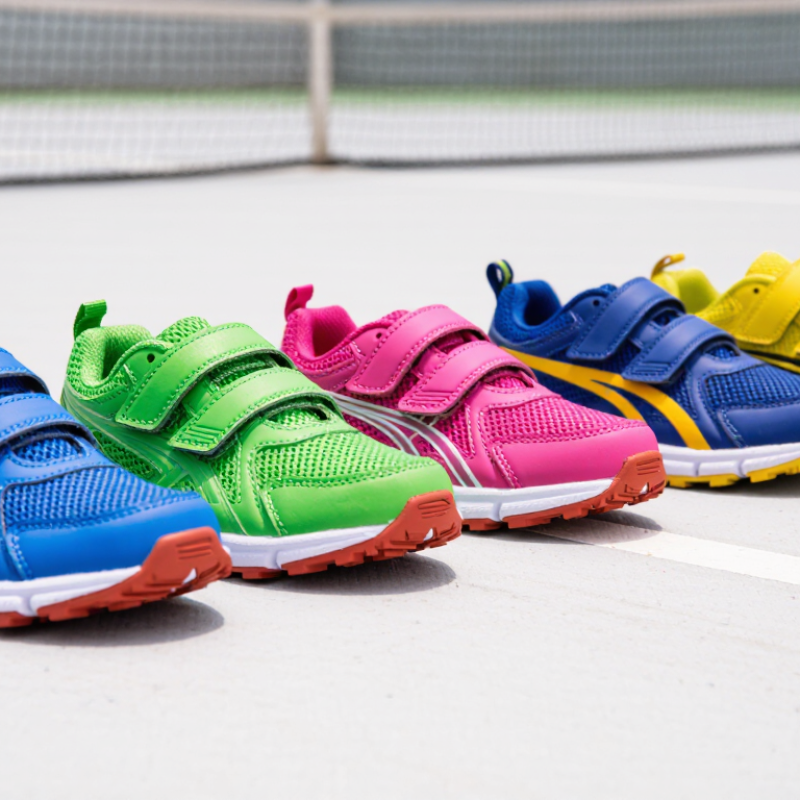
2026 Top Toddler Tennis Shoes for Global Buyers

What Makes a Toddler Tennis Shoe Suitable for Global Buyers

A suitable toddler tennis shoe must work across different climates, foot shapes, and buying systems. Global buyers should check both length and width, because age-based sizing is inconsistent. Measure the child’s foot while standing, preferably late in the day. Leave a small space for natural movement, but avoid oversized shoes that cause slipping.

Look for a flexible forefoot, a secure heel, and a lightweight upper with breathable panels. The sole should provide steady grip without feeling stiff on indoor or outdoor courts. Smooth seams matter, especially for toddlers wearing thin socks. Materials should be clearly listed, and care instructions should be easy to understand in the buyer’s market. I have found that simple fastening systems help children gain independence, although some fasteners lose strength after repeated use. This is worth checking rather than assuming.

Tips: Compare size charts from each seller. Confirm return costs and delivery times. Check whether the sole suits hard, soft, or mixed surfaces. Review local product-safety requirements before importing. No checklist is perfect. Parents should watch the child walk, stop, and turn after purchase. Red marks, heel movement, or repeated tripping suggest a poor fit. Weather also matters; a highly padded shoe may feel uncomfortable in humid regions.

Key Features of Safe and Comfortable Toddler Tennis Shoes

For global buyers, toddler tennis shoes should protect growing feet without feeling rigid. The American Academy of Pediatrics recommends lightweight shoes, flexible soles, secure fastening, and enough toe space. A rounded toe box lets small toes spread naturally during quick stops. Check the fit with the child standing, not sitting. Leave about 10–12 millimeters of space beyond the longest toe.

Grip matters on polished indoor courts and dusty outdoor surfaces. A rubber outsole with shallow, flexible tread can reduce slipping while preserving natural foot movement. The shoe should bend near the toes, not through the middle. Padding around the heel can limit rubbing, but excessive cushioning may make balance harder. Small details matter, such as smooth seams and breathable mesh around warm feet.

The World Health Organization’s 2022 Global Status Report on Physical Activity states that 81% of school-aged adolescents do not meet recommended activity levels. Toddlers need short, enjoyable movement opportunities, not heavy performance footwear. A secure hook-and-loop strap is often easier than laces. It also supports independent dressing. Buyers should check regional sizing charts and safety requirements, because measurements differ across markets. I would not rely on age labels alone. Children grow unevenly, and one foot may be slightly larger. A practical test is simple: walk, squat, and stop. If the heel lifts or toes curl, the fit needs reconsideration.

How to Choose the Right Toddler Tennis Shoe Size and Fit

For global buyers, toddler tennis shoe fit starts with measurement, not a familiar size label. The International Organization for Standardization’s ISO 19407:2023 explains conversions among US, UK, European, and Mondopoint systems. These systems can still produce different results. Measure both feet while your child stands in the socks used for play. Use the longer foot.

Leave roughly 10–12 millimeters of space beyond the longest toe. The American Academy of Pediatrics recommends about half an inch for growing room, while warning against oversized shoes. Too much space can make a toddler trip. Check the fit again every two to three months. Feet change quickly.

I once trusted a printed chart too much. That was a mistake. The heel should stay secure without red marks. The upper should bend near the toes, not beneath the arch. A wide toe box allows natural spreading during running. Ask the child to walk, stop, and squat before purchase.

Watch for heel lifting, curled toes, or repeated rubbing.

International sizing context The 2024 World Footwear Yearbook reported that Asia produced about 87% of global footwear in 2023, making international size conversion especially important for buyers.

Still, factory measurements, foot shape, and local grading can differ. Request the actual insole length and width. Compare those numbers with your child’s measured foot, then allow practical growing room.

Comparing Materials, Sole Designs, and Durability

For 2026, global buyers should compare toddler tennis shoes by material, sole design, and tested durability—not appearance alone. Breathable mesh reduces heat, while synthetic overlays protect high-wear areas near the toes. Leather-like materials resist scuffs better, but they can feel less flexible. Textile Exchange’s Materials Market Report 2024 states that polyester represented about 57% of global fiber output in 2023. Recycled polyester may reduce material impact, but it does not automatically make a shoe stronger. That assumption needs questioning.

Sole construction matters during sudden stops and playground movement. A flexible rubber outsole should bend near the toes, not under the middle of the foot. Small, widely spaced lugs can improve grip on wet pavement, while shallow patterns collect less dirt indoors. Independent buyers should request abrasion, flexing, and outsole-adhesion results using recognized laboratory methods, such as SATRA procedures or ISO footwear tests. The World Footwear Yearbook 2024 reported approximately 23.9 billion pairs of footwear produced globally in 2023, so quality variation remains significant across suppliers. A thick sole may look durable. It can still become stiff.

Tips: Press the forefoot by hand. Check heel movement. Inspect stitching around the toe. Leave roughly one thumb-width of growth space, but avoid excessive length. Ask for test conditions, sample size, and failure limits. Product claims without these details deserve caution. Even experienced buyers can overvalue appearance. Children’s real walking patterns are messier than laboratory trials.

2026 Top Toddler Tennis Shoes for Global Buyers

Comparison of common toddler tennis-shoe construction options by material performance, sole design, and expected everyday durability. Scores are normalized benchmarks from 0 to 100, based on typical properties of the listed materials and construction types.

Rubber outsoles generally provide the strongest traction and abrasion resistance, while EVA designs are lighter and more flexible. Mesh uppers improve airflow, whereas synthetic leather and reinforced overlays typically offer better resistance to scuffing and repeated use.

Global Buying Factors: Standards, Climate, Prices, and Availability

For global buyers, toddler tennis shoes must meet the destination market’s safety requirements. Check material safety, labeling, stitching, and slip resistance before placing large orders. Requirements differ between countries, so current regulations should be confirmed with a qualified testing laboratory. Request test reports, factory quality records, and product samples. Paperwork matters, but physical inspection matters too.

Climate changes the buying decision. In hot, humid regions, breathable uppers, moisture control, and quick-drying linings can reduce discomfort. Cold markets may need thicker socks and flexible insulation, but excessive padding can restrict movement. Wet climates require soles with dependable traction. Test shoes on smooth floors and rough pavement. Small feet need stable support, not heavy construction.

Price comparisons should include testing, packaging, shipping, import charges, and possible returns. A low unit price may hide weak soles or inconsistent sizing. I have seen attractive samples fail after repeated bending, so durability testing deserves more attention. Availability also depends on production capacity, seasonal demand, and port schedules. Keep size runs balanced and confirm replenishment times in writing. Stock may look available online, yet the requested sizes can disappear quickly. Oversight is never perfect, especially across distant suppliers.

FAQS

What fit should toddler tennis shoes provide?

Check the fit while the child stands. Leave about 10–12 millimeters beyond the longest toe. A loose heel or curled toes signals a poor fit.

Which sole design supports safe movement?

Choose a flexible rubber outsole with shallow, spaced tread. It should bend near the toes, not the middle. A thick sole may look durable, but it can feel stiff.

How can buyers check grip before ordering?

Test samples on smooth indoor floors and rough pavement. Wet-surface testing is useful for rainy regions. Grip claims need evidence.

Which upper materials suit active toddlers?

Breathable mesh can reduce heat around warm feet. Synthetic overlays may protect toe areas from scuffs. Leather-like materials resist marks, but they may feel less flexible.

Are recycled materials always better or stronger?

No. Recycled content may reduce material impact, but it does not guarantee durability. That assumption needs questioning.

What fastening system works well for toddlers?

A secure hook-and-loop strap is usually easier than laces. It can support independent dressing and quick adjustments. Check that the strap stays closed during walking.

What quality documents should global buyers request?

Request material safety, labeling, stitching, slip-resistance, and durability test reports. Ask for test conditions, sample sizes, and failure limits. Paperwork alone is not enough.

How should climate affect shoe selection?

Hot, humid regions need breathable uppers, moisture control, and quick-drying linings. Wet areas need dependable traction. Cold regions may need flexible insulation, not bulky padding.

How should buyers compare the real cost?

Include testing, packaging, shipping, import charges, returns, and possible delays. A low unit price can hide weak soles or uneven sizing. Online availability can be misleading.

What simple fitting test can adults perform?

Ask the child to walk, squat, and stop. Watch for heel lifting, toe curling, or unstable movement. Children move messily.

Conclusion

Choosing the best Toddler Tennis Shoes for global buyers requires more than selecting an attractive design. The ideal pair should provide a secure fit, lightweight comfort, breathable materials, and reliable support for growing feet. Flexible uppers, padded collars, non-slip soles, and rounded toe areas can help toddlers move naturally while reducing discomfort. Parents should measure both feet, allow a small amount of growing room, and check that the heel stays firmly in place without pressure or slipping.

Material and sole choices also affect durability and daily performance. Breathable fabrics may suit warm climates, while water-resistant construction can be useful in wet conditions. Buyers should compare stitching, sole flexibility, cleaning requirements, and overall value rather than focusing only on price. For international purchases, it is also important to review available sizes, product measurements, safety information, shipping options, return policies, and regional requirements. A practical balance of comfort, protection, durability, climate suitability, and availability helps families choose dependable toddler footwear for everyday play and early tennis activities.

Oliver

Oliver

Oliver is a seasoned marketing professional with a wealth of expertise in driving brand awareness and engagement. With a deep understanding of our company's product offerings, he consistently delivers high-quality content that enriches our professional blog. His insights not only shed light on......